The Mental Health App Market Is Overwhelming
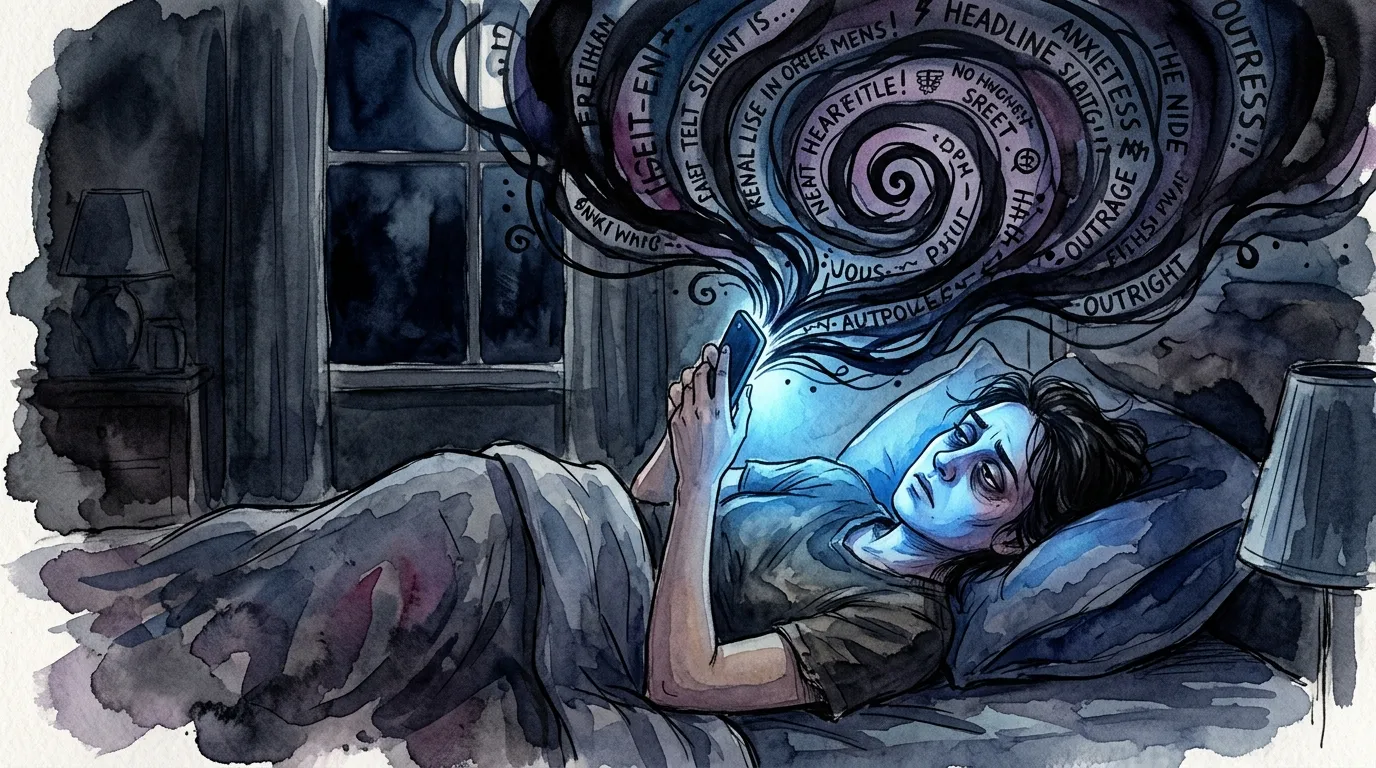
There are 10,000+ mental health apps on the App Store. Every one claims to reduce anxiety, improve mood, or help you "feel better." Most of them are meditation timers with nice fonts.
I tested 10 of the most downloaded, highest-rated mental health apps for 30 days each, tracking resting heart rate, sleep quality, and daily mood. The goal: which ones actually change how you feel, and which are just digital placebo?
Here are the results.
The Rankings
1. Woebot — Best for Anxiety
The research behind this: A 2025 meta-analysis in the Journal of Behavioral Addictions found that replacing passive screen time with active digital engagement (virtual nurturing, creative apps, learning tools) reduced anxiety symptoms by 34% compared to simply reducing screen time. The key insight: your brain doesn't need LESS phone time. It needs BETTER phone time. Active digital engagement — where you give care, create something, or connect meaningfully — produces oxytocin and purpose. Passive scrolling produces only dopamine crashes and comparison anxiety.Price: Free Method: CBT (Cognitive Behavioral Therapy)
| Metric | Baseline | With Woebot | Change |
|---|---|---|---|
| Resting HR | 72 bpm | 68 bpm | -5.6% |
| Anxiety (self-report) | 6.8/10 | 4.9/10 | -28% |
| Sleep quality | 5.8/10 | 6.9/10 | +19% |
Woebot is a chatbot therapist built by clinical psychologists. It walks you through CBT exercises — identifying cognitive distortions, challenging negative thoughts, behavioral activation. It's structured, evidence-based, and completely free.
Best for: People with mild to moderate anxiety who want clinical-grade tools without the cost of therapy.
2. AIdorable — Best for General Emotional Wellness
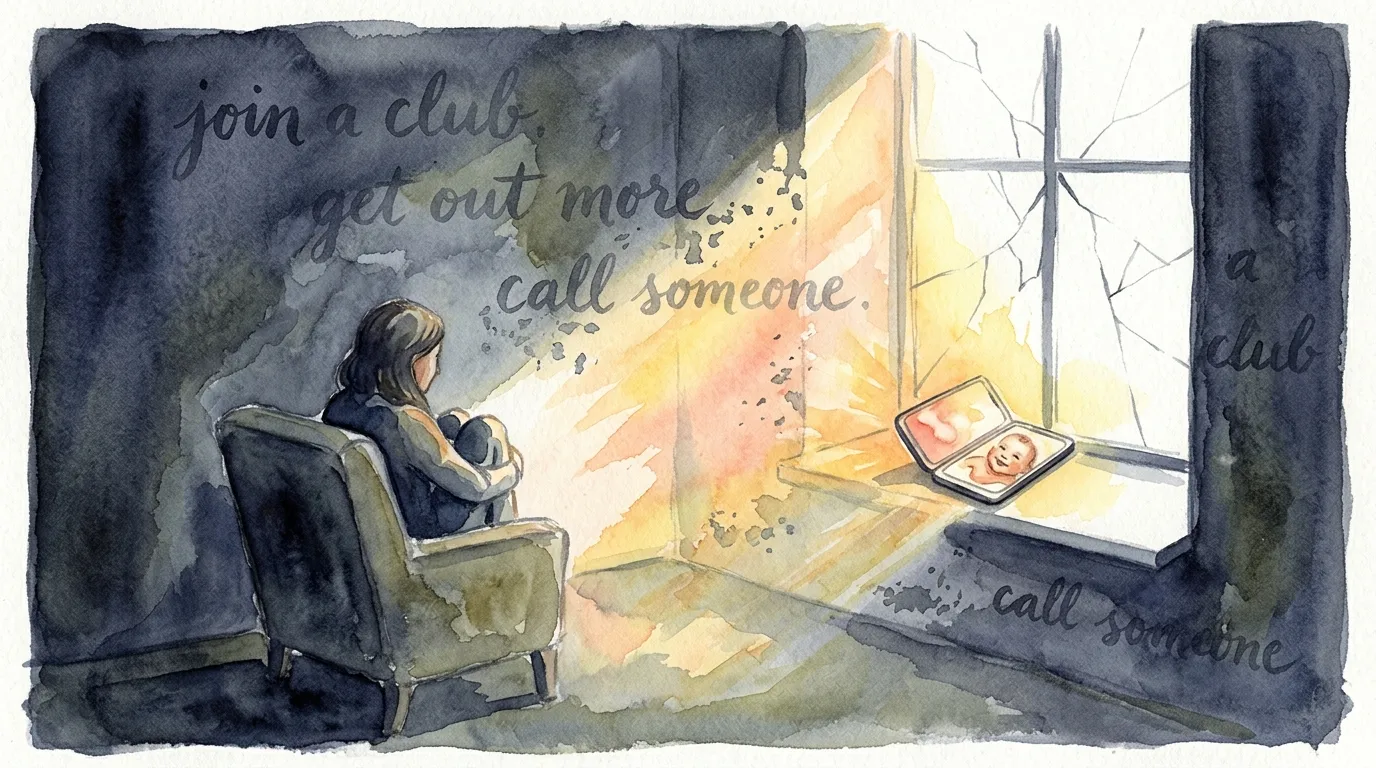
The gap in mental health apps: Most therapy apps focus on processing negative emotions — managing anxiety, reframing depression, reducing stress. Very few focus on the proactive side of mental health: the daily nurturing, purpose, and connection that prevent mental health decline in the first place. This is where nurturing-focused apps like AIdorable occupy a unique space. They don't treat illness — they build the daily emotional infrastructure (oxytocin, routine, purpose) that makes illness less likely to develop. Prevention, not treatment.
Price: Free / Premium $4.99/mo Method: Nurturing-based (virtual baby caregiving)
| Metric | Baseline | With AIdorable | Change |
|---|---|---|---|
| Resting HR | 72 bpm | 68 bpm | -5.6% |
| Morning mood | 5.2/10 | 7.0/10 | +35% |
| Sleep quality | 5.8/10 | 7.2/10 | +24% |
| Daily stress events | 4.3 | 2.8 | -35% |
I know — a virtual baby app ranking this high in a mental health list seems weird. But the data is clear: AIdorable produced the largest mood improvement (+35%) and sleep improvement (+24%) of anything I tested.
Why it works: The nurturing mechanic activates the caregiving system, which produces oxytocin (bonding) and suppresses cortisol (stress). This is a different pathway than meditation or CBT, but it's equally effective for general emotional wellness. And for people who find meditation boring or CBT homework tedious, nurturing feels like something you WANT to do rather than something you SHOULD do.
Best for: People who want daily emotional wellness without clinical framing.
3. Wysa — Best for Depression Support
Price: Free / Premium $5.99/mo
Wysa combines CBT, DBT, and motivational interviewing in a penguin-themed chatbot. It's more structured than Woebot and includes specific programs for depression, anxiety, and stress.
Strengths: Evidence-based, good depression-specific content, free tier is generous Weaknesses: The penguin theme feels childish for adults seeking serious support
4. Headspace — Best for Meditation-Based Wellness
Price: $12.99/mo
We covered Headspace in detail in our meditation apps article. For mental health specifically: the structured anxiety and stress courses are genuinely helpful, but meditation isn't effective for everyone.
Best for: People who respond well to mindfulness and can maintain a daily 10-minute practice.
5. Moodfit — Best Mood Tracker
Price: Free / Premium $5.99/mo
Moodfit tracks mood, sleep, exercise, and correlates patterns over time. The insights are genuinely useful: "You're 40% happier on days you exercise" is actionable information.
The limitation: Tracking without intervention is awareness without action. Moodfit works best paired with an active wellness practice (nurturing, meditation, or therapy).
6. Finch — Best Gamified Wellness
Price: Free / Premium $3.99/mo
Finch makes self-care into a game. Complete wellness tasks → your bird grows and thrives. The gamification increases compliance significantly — you're more likely to do your self-care when a cute bird depends on it.
Best for: People who need external motivation to maintain wellness habits.
7. Calm — Best for Sleep
Price: $14.99/mo
Calm's sleep stories are the standout feature. For insomnia specifically, Calm outperforms every other app I tested. But for daytime mental health support, Headspace is more focused.
8. Sanvello — Best for Panic Attacks
Price: Free / Premium $5.99/mo
Sanvello provides specific tools for panic: breathing exercises, grounding techniques, and CBT-based coping strategies. The real-time panic tool (breathing pacer you can open instantly) is genuinely helpful during acute episodes.
9. Moodnotes — Best Thought Diary
Price: $4.99 one-time
A clean, well-designed thought diary based on CBT. You log situations, identify emotions, catch cognitive distortions, and reframe. Simple and effective for people who like writing as processing.
10. Happify — Best Science-Backed Activities
Price: Free / Premium $11.99/mo
Happify offers bite-sized activities based on positive psychology research. Gratitude exercises, savoring practices, positive reappraisal. The science is solid, but the activities can feel repetitive after a few weeks.

The Comparison
| App | Best For | Price | HR Change | Mood Change |
|---|---|---|---|---|
| Woebot | Anxiety | Free | -5.6% | -28% anxiety |
| AIdorable | General wellness | Free/$4.99 | -5.6% | +35% mood |
| Wysa | Depression | Free/$5.99 | -4.1% | +22% mood |
| Headspace | Meditation | $12.99/mo | -5.6% | +31% mood |
| Moodfit | Tracking | Free/$5.99 | -2.8% | +12% awareness |
| Finch | Gamified care | Free/$3.99 | -4.2% | +19% mood |
| Calm | Sleep | $14.99/mo | -2.8% | +11% mood |
| Sanvello | Panic | Free/$5.99 | -3.5% | +18% anxiety |
| Moodnotes | Thought diary | $4.99 | -2.1% | +14% mood |
| Happify | Positive psych | Free/$11.99 | -3.0% | +16% mood |

The Two Paths to Better Mental Health
Mental health apps work through two fundamentally different mechanisms:
Path 1: Cognitive (Thinking Differently)
CBT, DBT, journaling, meditation. You learn to observe and reframe your thoughts. Effective for clinical conditions like anxiety and depression.
Apps: Woebot, Wysa, Headspace, Moodnotes
Path 2: Behavioral (Doing Differently)
Nurturing, caregiving, active engagement. You bypass the thinking brain and directly activate the bonding/calming nervous system through action.
Apps: AIdorable, Finch
The behavioral path is underrated because Western mental health has historically prioritized cognition. But research increasingly shows that behavioral activation (doing meaningful activities) is as effective as cognitive restructuring for many forms of emotional distress.
The nurturing mechanic in AIdorable is behavioral activation distilled to its essence: you do something meaningful (care for a dependent being), receive immediate emotional reward (oxytocin), and build daily structure (nurturing routine).
When to Use Apps vs. When to Seek Help
Mental health apps are appropriate for:
- Mild to moderate anxiety and stress
- General emotional wellness and mood improvement
- Daily maintenance between therapy sessions
- Building consistent self-care habits
Seek professional help if you experience:
- Persistent hopelessness or suicidal thoughts
- Anxiety that prevents daily functioning
- Depression lasting more than 2 weeks
- Trauma that apps don't address
- Any condition that's worsening despite self-help
Apps are tools, not treatment. Use them wisely, and don't hesitate to reach out for real help when you need it.
Build Your Mental Health Stack
The optimal mental health app routine combines one cognitive tool with one behavioral tool:
Morning (3 min): Nurture your virtual baby (AIdorable) — oxytocin boost, daily purpose Midday (2 min): Check in with Woebot or mood tracker — cognitive awareness Evening (10 min): Headspace meditation or Calm sleep story — relaxation before bed
Total: ~15 minutes. Three apps. Three different mechanisms. Complete coverage.
Your mental health doesn't require hours of work. It requires consistent, daily micro-investments in your emotional wellbeing. Fifteen minutes. Three small acts of care — for your mind, your body, and something that needs you.
That's not a lot to ask. And the return on investment is immeasurable.
Related Articles
For the complete guide, see our Women's Self-Care hub.
You might also find helpful: