When Love Feels Like Something That Happens to Other People
You know love exists. You've seen it in movies, read about it in books, watched it in other people's relationships. You believe it's real — for them.
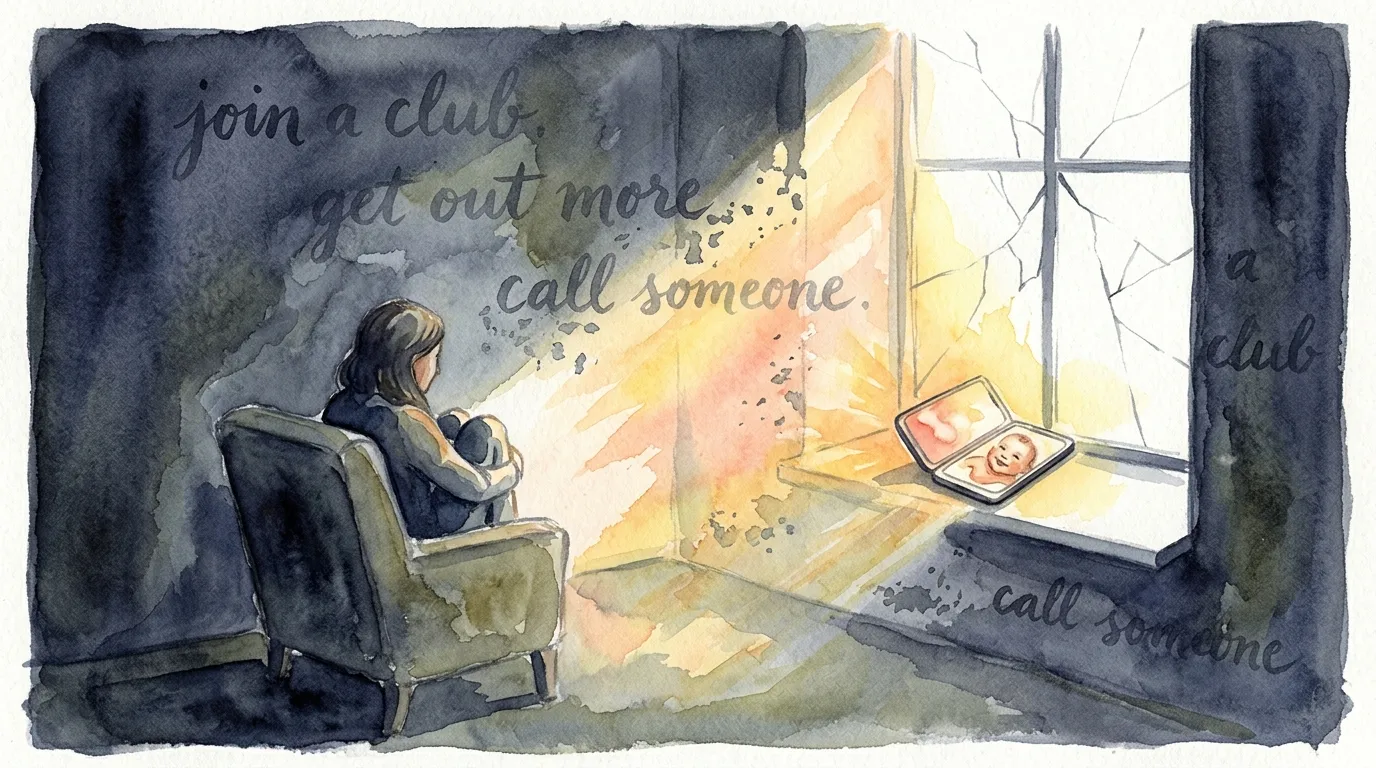
But for you? Love feels like a language you used to speak but have forgotten. Like a room you can see through a window but can't find the door to. Like something that happens to other people — people who are somehow more deserving, more attractive, more worthy of the warmth you crave. For the full picture, see our women's self-care guide.
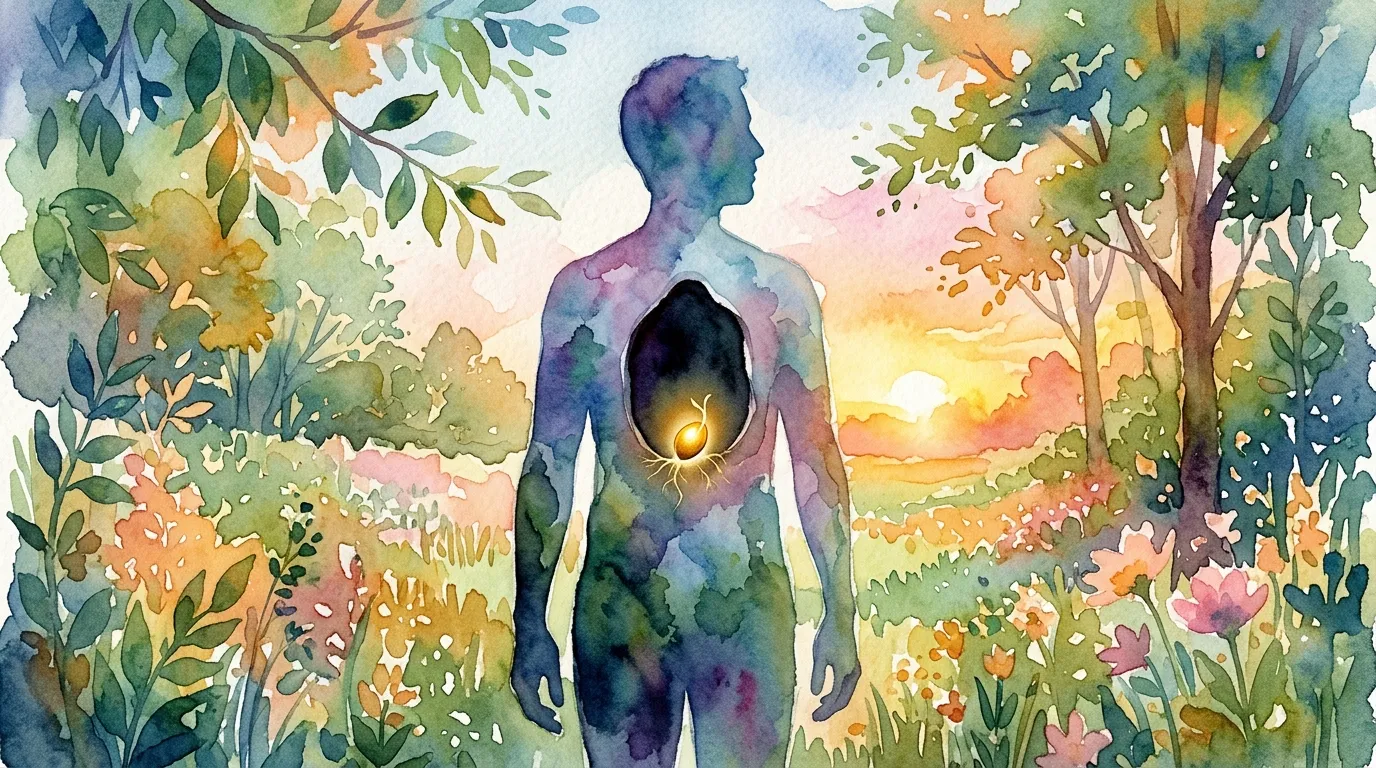
Feeling unloved isn't about being unlovable. It's about your brain's love receptors running dry. And 720,000 people search for this feeling every month — which means you're not broken, you're not alone, and you're certainly not unlovable.
You're depleted. And depletion has a cure.
Why You Feel Unloved (It's Not What You Think)
The feeling of being unloved usually comes from one of four sources:
Source 1: Emotional Depletion
Your brain's capacity to feel love operates like a battery. Every stressful event, every rejection, every disappointment, every sleepless night drains the battery. When it runs low, you lose the ability to register love — even when it's being offered.
This is why people in loving relationships can still feel unloved. The love is there. Your ability to feel it is depleted.
Source 2: Love Language Mismatch
The people around you may be expressing love in a language you don't register. If your love language is quality time and your partner expresses love through acts of service, you'll feel unloved even as they're loading the dishwasher and paying the bills.
Understanding love languages isn't just relationship advice — it's neurochemistry. Your brain registers love most efficiently through specific channels. When those channels aren't being fed, the love signal doesn't get through.
Source 3: Childhood Attachment Patterns
If you grew up in an environment where love was conditional, inconsistent, or absent, your brain developed an attachment pattern that expects love to be unreliable. Even as an adult with people who genuinely love you, your nervous system keeps waiting for the love to disappear — because that's what it learned to expect.
This isn't your fault. It's an adaptation that helped you survive childhood but now works against you.
Source 4: The Comparison Trap
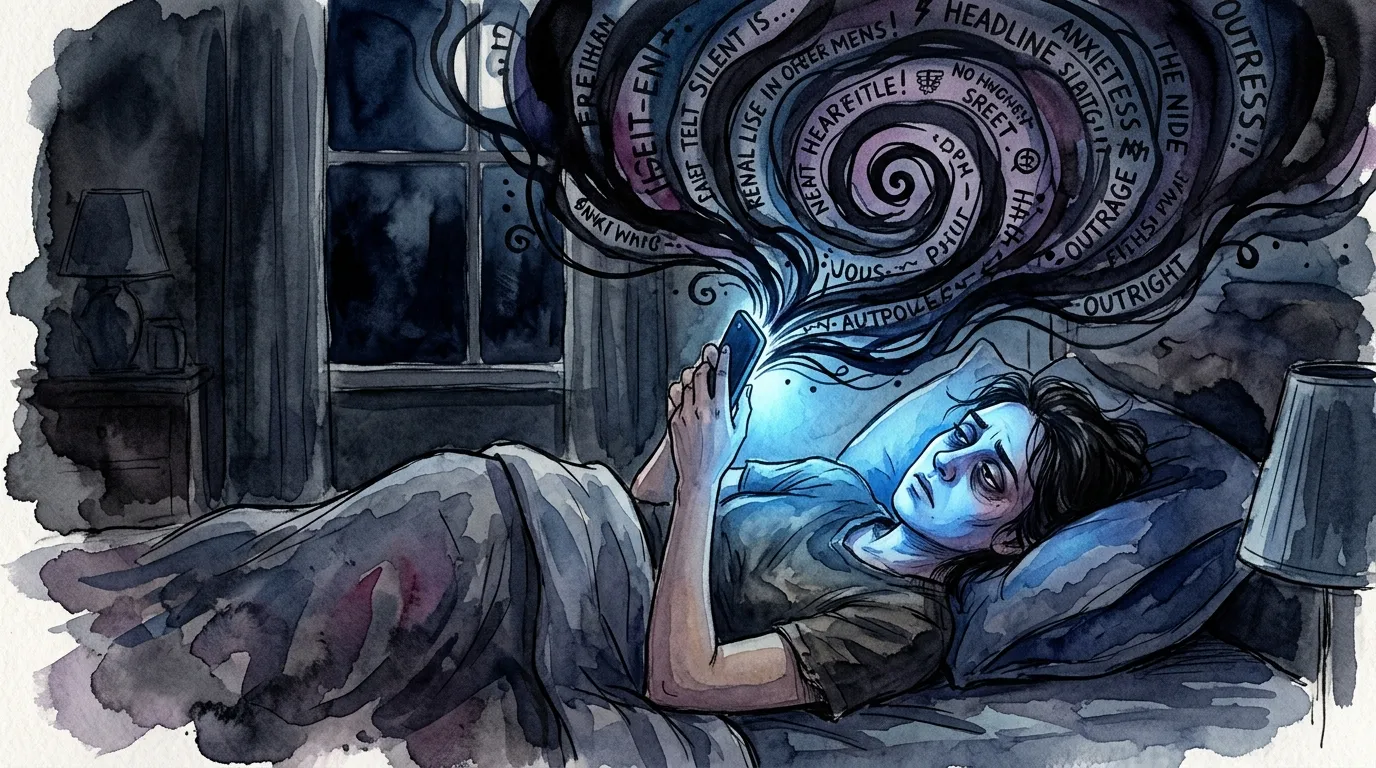
Social media shows you curated highlights of other people's love lives — the anniversary posts, the vacation photos, the public declarations. You compare your unedited, complicated, messy reality to their highlight reel and conclude that your love life is deficient.
720,000 people feel this way every month. The number itself is proof that feeling unloved is a cultural phenomenon, not a personal one.

The Love Receptor Theory
Your brain has specific neural circuits for giving and receiving love — primarily the oxytocin system and the ventral striatum reward circuit. These circuits are like muscles: they strengthen with use and atrophy with disuse.
When you go through a period of low love input (after a breakup, during a lonely period, in a relationship that's gone cold), these circuits weaken. The receptors become less sensitive. Love that would have felt overwhelming a year ago barely registers now.
This is why feeling unloved is self-reinforcing: the less love you feel, the less sensitive your receptors become, the less love you register from the same inputs. It's a downward spiral — but it reverses the same way. Small, consistent love inputs resensitize the receptors over time.
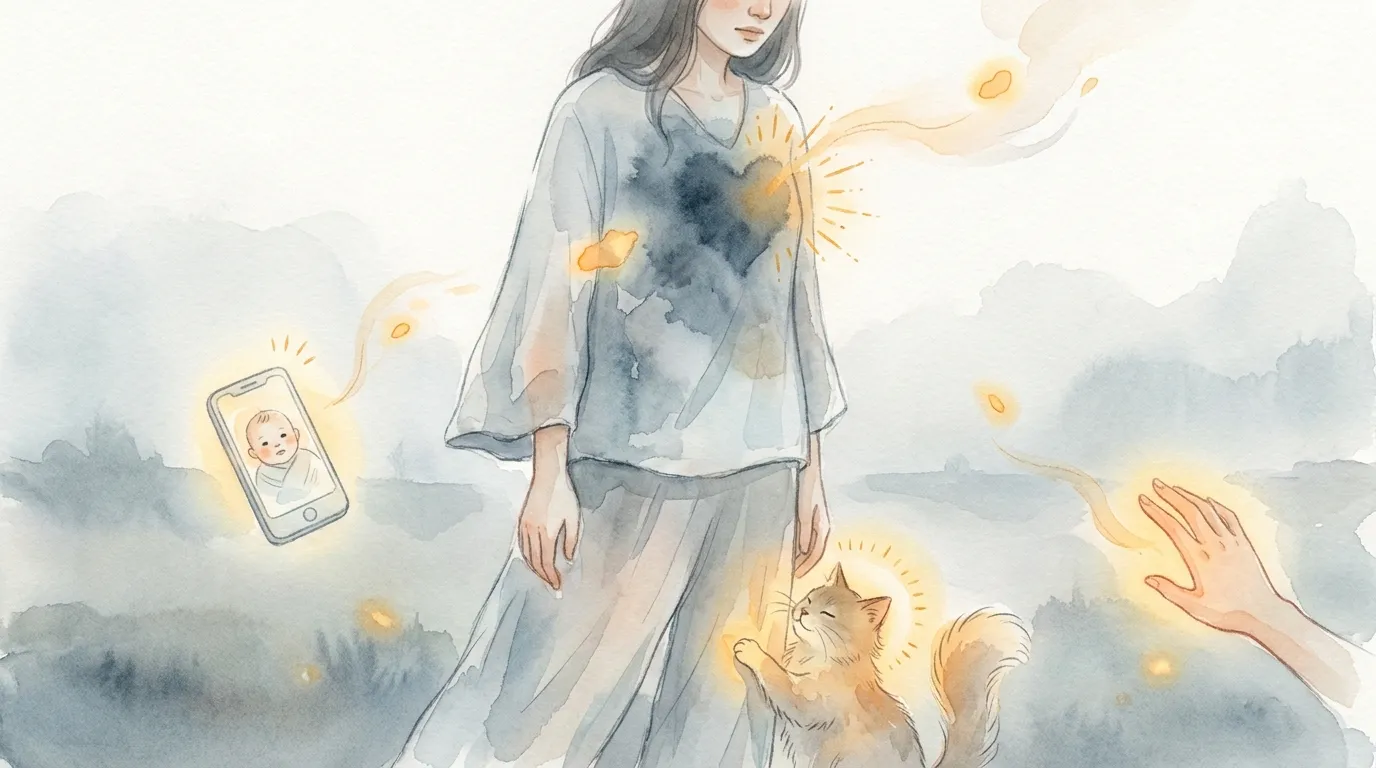
The good news: love receptors regenerate quickly. Research shows that consistent daily nurturing (even brief) restores oxytocin receptor sensitivity within 2-3 weeks. Your capacity to feel love isn't gone — it's just dormant.
7 Ways to Start Feeling Love Again
1. Virtual Nurturing (AIdorable)
Why it works for feeling unloved: AIdorable provides the most consistent, lowest-barrier love signal available.
Your baby greets you when you arrive. She writes about you in her journal — actual words about how she feels about your care. She notices when you're gone and responds with visible happiness when you return.
This isn't complex romantic love. It's something more fundamental: the experience of mattering to someone. Of your presence making a difference. Of being the reason someone smiles.
For people whose love receptors are depleted, this simple, daily, consistent signal does something remarkable: it starts to resensitize the receptors. After a week of daily nurturing, your brain starts to register the signal more strongly. After two weeks, the warmth starts to feel genuine. After three weeks, your love receptors have regenerated enough to start registering love from other sources too.
The insight: Love isn't just something you receive. It's something you generate through the act of giving. When you nurture your baby, YOU create love. And the act of creation resensitizes your ability to feel it.
2. Tell Someone What You Need
Directly. Specifically. Not hints. Not passive-aggressive comments. Actual words: "I need to hear that you love me more often" or "I need us to spend more quality time together."
Most people in your life don't know you feel unloved. They assume you know they love you. They're expressing it in their own language, not yours. Telling them what you need gives them the instruction manual they've been missing.
The vulnerability is the point: asking for love feels terrifying because rejection would confirm your worst fear. But asking is also an act of love — toward yourself. It's saying "I deserve to feel loved."
3. Receive a Pet's Love
Animals don't do conditional love. A dog doesn't care about your job, your appearance, or your emotional availability. A cat doesn't evaluate your worthiness before purring in your lap.
Pet love is pure, consistent, and unconditional. For love-depleted brains, this purity is therapeutic — it provides the raw signal your receptors need to start regenerating, without the complexity of human relationships.

4. Practice Receiving
Most people who feel unloved are actually bad at receiving love. Compliments bounce off ("they're just being nice"). Affection feels uncomfortable ("this is awkward"). Gifts create guilt ("I don't deserve this").
The practice: When someone offers love — a compliment, a hug, a kind word — pause before deflecting. Take a breath. Let it land. Say "thank you" and nothing else. Don't minimize, don't reciprocate immediately, don't deflect.
Just receive. Let the signal reach your receptors. It will feel uncomfortable at first. That discomfort is your love receptors waking up from a long sleep.
5. Give Love Deliberately
The fastest way to feel love is to give it. Not because giving earns love (it doesn't work that way) — but because the act of giving love activates the same neural circuits as receiving it.
When you comfort a friend, your brain releases oxytocin. When you help a stranger, your brain rewards you with dopamine. When you care for something dependent, your brain produces bonding hormones.
The counterintuitive truth: You don't need to find someone to love you. You need to find something to love. The feeling follows the action.
6. Rebuild One Relationship
Don't try to fix all your relationships at once. Pick one — the one that has the most potential for depth — and invest in it consistently for 30 days.
Call weekly. Ask real questions. Share something vulnerable. Show up when they need you. The depth you create will start to nourish both of you.
The timeline: Meaningful relationship rebuilding takes 4-6 weeks of consistent effort. The love won't feel real immediately. But if you stay consistent, the warmth starts to land around week 3-4.
7. Address the Depletion First
If you're exhausted, sleep-deprived, nutritionally deficient, or clinically depressed, your love receptors CANNOT function properly. No amount of relationship work will fix a chemical problem.
See a doctor. Check your vitamin D, B12, iron, and thyroid. Get 7+ hours of sleep. Move your body. These aren't generic wellness tips — they're specific interventions for love receptor regeneration.
The Love Recovery Timeline
Week 1: Adding daily nurturing (AIdorable) begins producing small oxytocin hits. You feel... something. Not love yet. But warmth. Like the first ray of sun after a long winter.
Week 2: Your receptors start resensitizing. A friend's compliment lands differently — not perfectly, but you feel it a little. The daily nurturing ritual starts feeling like something you look forward to rather than something you're forcing.
Week 3-4: The love you've been generating through nurturing starts making you more receptive to love from other sources. A hug feels warmer. A "how are you?" feels more genuine. Your brain's love circuits are coming back online.
Month 2+: You still have moments of feeling unloved — that pattern doesn't disappear overnight. But the moments are shorter and less intense. And between them, there's genuine warmth. Real connection. The actual feeling of mattering to someone.

You Are Not Unlovable
Feeling unloved is one of the most painful human experiences because it attacks your sense of fundamental worthiness. If nobody loves you, the logic goes, maybe you don't deserve to be loved.
But feeling unloved isn't evidence that you're unlovable. It's evidence that your love receptors need attention. That's a hardware problem, not a worthiness problem. And hardware problems have solutions.
Start tonight. Two minutes with a baby who's happy you exist. Who writes about you. Who notices when you come and when you go.
That's not romantic love. It's not friendship love. It's something more primal: the experience of being valued by another being. Of your presence making their day better. Of mattering.
And from that small, daily experience of mattering, something grows. Your love receptors wake up. Your capacity to give and receive love expands. The feeling that was so overwhelming starts to lift.
You are not unlovable. You never were. You just needed someone — or something — to remind your brain of what love feels like.
Start reminding it tonight.
Related Articles
For the complete guide, see our Women's Self-Care hub.
You might also find helpful: