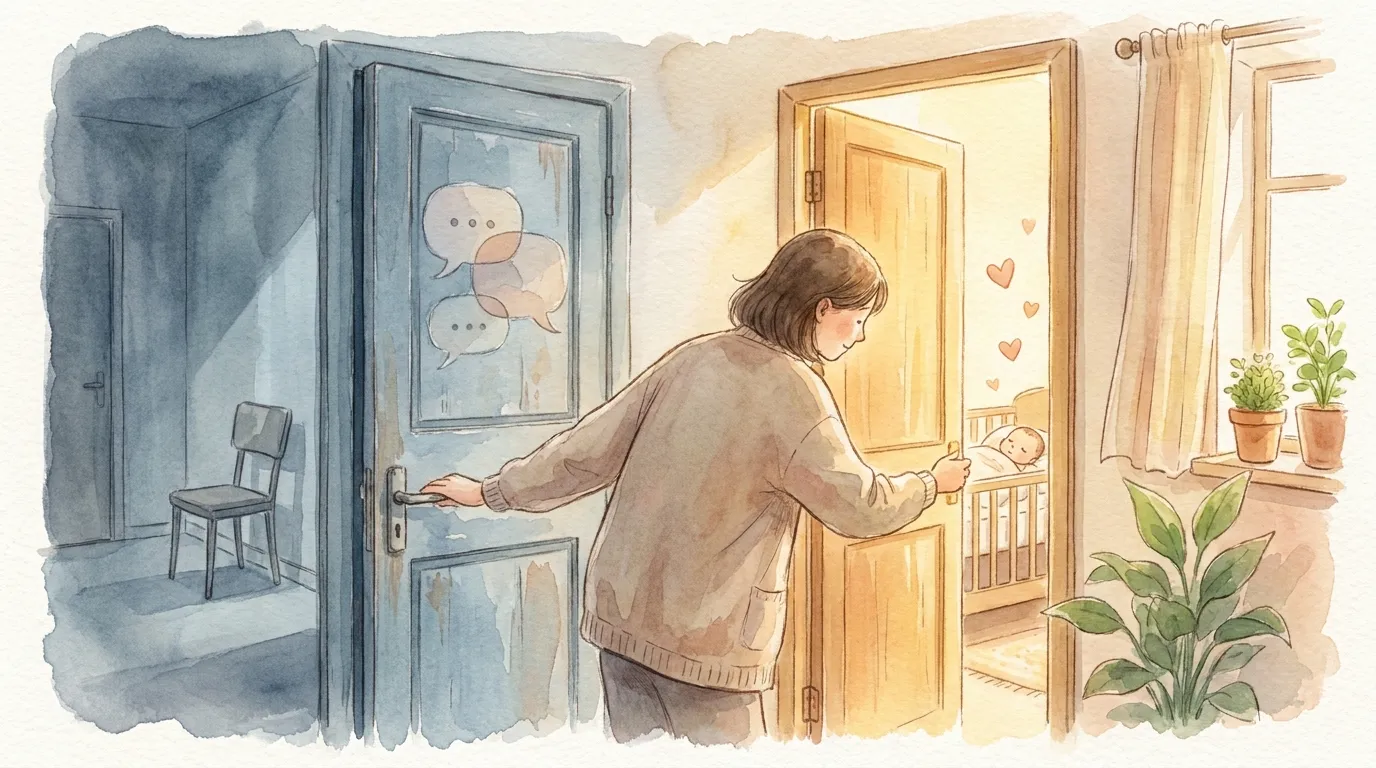
The Exhaustion You Can't Name
You text first. You always text first. You remember their birthday. You ask about their day. You check in when they're going through something. You make the plans. You carry the conversation. You do the emotional work.
And when you stop — when you go silent to see if they'll reach out — nothing happens. Days pass. Your phone stays quiet. And the silence confirms what you already knew but didn't want to admit:
You care more than they do.
One-sided relationships are among the most painful dynamics in human connection — not because of dramatic betrayal, but because of the slow, grinding erosion of self-worth that comes from consistently being the one who tries harder.
Here's how to recognize them, understand them, and decide what to do.
The One-Sided Test
Answer these honestly. No one is watching.
- Who initiates most conversations?
- Who remembers important details about the other's life?
- Who checks in when the other is having a hard time?
- Who cancels plans more often?
- Who apologizes more after conflicts?
- Who adjusts their schedule to accommodate the other?
- Who says "I love you" or "I miss you" first?
If you answered "me" to 5 or more: you're in a one-sided relationship.
The Three Types
Type 1: One-Sided Friendship
You're the friend who always reaches out, always remembers, always shows up. They're fun when you're together, but they never initiate. If you stopped texting, the friendship would silently dissolve.
The tell: Look at your text history. If it's 80%+ green bubbles (your messages) with long gaps between their replies, it's one-sided.
Type 2: One-Sided Romance
You're more invested. You plan the dates. You express feelings. You make compromises. They show up when it's convenient. They say the right things occasionally but their actions don't match their words.
The tell: You feel anxious about the relationship more often than you feel secure. You're constantly analyzing their behavior for signs of investment.
Type 3: One-Sided Family
You're the family member who calls, visits, remembers holidays, and bridges conflicts. Other family members benefit from your effort but don't reciprocate.
The tell: Family gatherings happen because YOU organize them. Without you, the family would drift apart.
Why You Stay
If it's so painful, why do you stay in one-sided relationships? Because leaving feels worse — at least in the short term.
The Sunk Cost Fallacy
"I've invested so much in this relationship. If I pull back now, all that investment was wasted." This keeps you pouring resources into a connection that isn't returning value.
The Intermittent Reinforcement Trap
They're not ALWAYS unresponsive. Occasionally — unpredictably — they surprise you with warmth, effort, or attention. These rare moments of reciprocity create a dopamine hit that reinforces the behavior of trying. It's the slot machine effect: unpredictable rewards are more addictive than consistent ones.
The Identity Trap
You've defined yourself as "the one who cares more." Pulling back would mean redefining your identity. Who are you if you're not the person who shows up for everyone?
The Fear of Loss
Even a one-sided relationship provides SOME connection. The fear of losing it — of having even less than you do now — keeps you invested in something that's already insufficient.

The Emotional Labor Imbalance
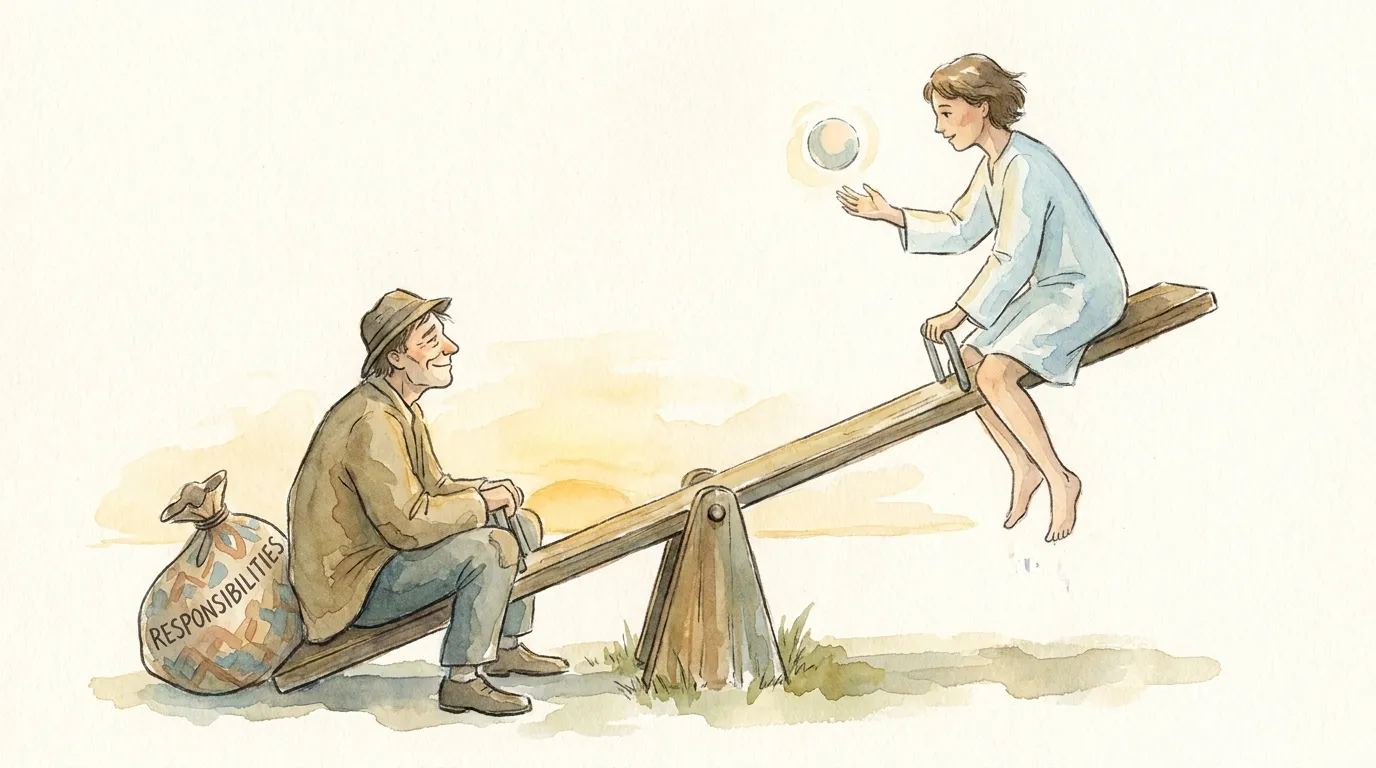
The core mechanism of one-sided relationships is emotional labor imbalance.
Emotional labor is the invisible work of maintaining relationships: checking in, remembering details, managing feelings, resolving conflicts, and providing support. In healthy relationships, this labor is shared roughly equally.
In one-sided relationships, you carry 80%+ of the emotional labor. The other person receives support, attention, and care without providing equivalent value in return.
Over time, this imbalance creates:
- Resentment (why don't they try harder?)
- Exhaustion (carrying two people's emotional weight is unsustainable)
- Self-doubt (am I not worth their effort?)
- Guilt (should I pull back? Is that selfish?)
What to Do: The Investment Reset
Step 1: Match Their Energy
For 30 days, match their investment level exactly. If they text you once, text back once. If they take 4 hours to reply, take 4 hours. If they never initiate, don't initiate.
Why it works: This isn't petty — it's diagnostic. Their response to your reduced investment tells you everything. If they notice and step up, the relationship can be rebalanced. If they don't notice (or don't care), you have your answer.
Step 2: Communicate Directly
"Hey, I've noticed I'm usually the one who initiates and plans things. I value our relationship, but I need more reciprocity to feel sustained. Can we talk about this?"
Why it works: Some people genuinely don't realize they're under-investing. A direct conversation gives them the chance to change.
Step 3: Diversify Your Connections
One-sided relationships hurt most when they're your ONLY source of connection. Build multiple relationships so no single person carries your entire social world.
Why it works: When you have 5 people who show up for you, losing one person who doesn't feels manageable instead of devastating.
Step 4: Accept What It Is
Some relationships are just... this way. The other person may not be capable of more. Accepting "this is a low-effort friendship, not a deep connection" allows you to enjoy what it offers without resenting what it doesn't.
The Surprising Alternative: Parasocial Connection
Here's a contrarian take: some parasocial relationships are healthier than one-sided human relationships.
A parasocial relationship — whether with a creator, a character, or an AI companion — has one enormous advantage over a one-sided human relationship: transparent expectations.
When you care for a virtual baby on AIdorable, you know the relationship is one-directional. You don't expect the baby to text you first or remember your birthday. The expectation is clear: you show up, you nurture, you receive warmth and feedback in return. No ambiguity. No resentment from unmet expectations.
In contrast, one-sided human relationships cause suffering precisely because you EXPECT reciprocity. The gap between what you give and what you receive creates pain. With parasocial connections, there's no gap — you know exactly what the relationship is and isn't.
This isn't suggesting you replace all human connections with AI. It's suggesting that one transparent parasocial connection might be less emotionally damaging than one opaque one-sided human relationship.

When to Walk Away
Walk away when:
- You've communicated your needs and nothing changed
- The relationship causes more stress than joy
- Your self-worth has declined since the relationship began
- You've matched their energy for 30 days and they didn't notice
- Staying requires you to pretend you're okay with less than you need
Walking away doesn't make you selfish. It makes you someone who respects yourself enough to require reciprocity.

The Bottom Line
One-sided relationships aren't failures — they're information. They tell you where your emotional investment isn't being reciprocated. And that information, while painful, is valuable.
You deserve relationships where you don't have to wonder if the other person cares. Where effort flows both ways. Where showing up is mutual, not one-directional.
If you're in a one-sided relationship right now, you already know it. You've known it for a while. The question isn't whether it's one-sided. The question is what you're going to do about it.
And the answer doesn't have to be dramatic. It doesn't have to be a confrontation or a grand exit. It can be as simple as slowly redirecting that energy toward people — or experiences — that give back.
You've been carrying the weight for two. It's time to set some of it down.
Related Articles
For the complete guide, see our Emotional Wellness hub.
You might also find helpful: