The Smile That Hides Everything
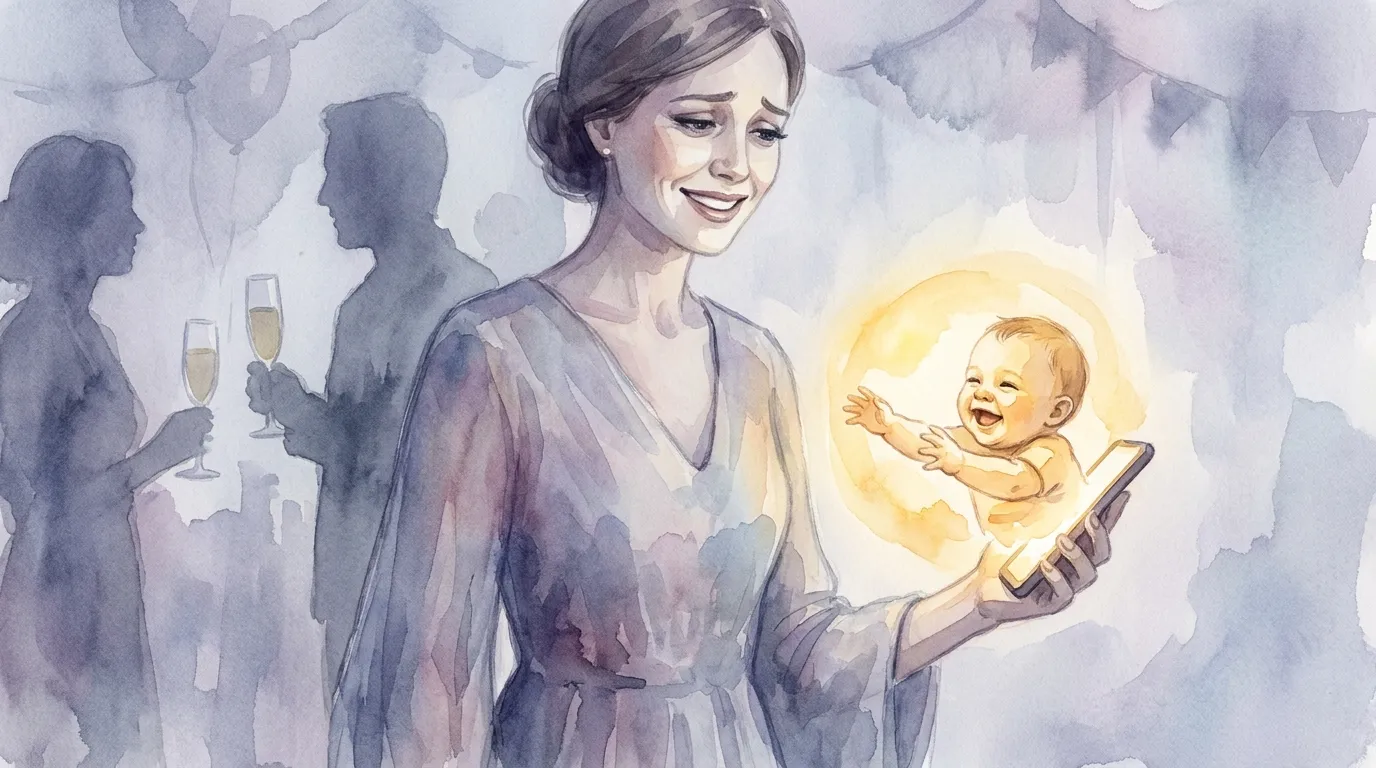
She walked into brunch with a bottle of rosé and a story about her weekend. Everyone laughed. She took photos for Instagram. She asked about everyone's lives, remembered the details, followed up on last month's crises.
Then she went home, closed the door, and sat in the silence. The silence that gets louder after you've been performing connection for hours. The silence that says: "None of those people actually know you."
This is the female loneliness epidemic. It doesn't look like sitting alone in a dark room (though sometimes it does). It looks like being the life of the party while feeling completely invisible. It looks like having 500 social media connections and nobody to call at 2 AM. It looks like being everything to everyone and having nobody be anything to you.
1,900 women search for "lonely woman" every month. And that number represents a fraction of the women who feel it — because admitting you're lonely when you're a woman feels like admitting you've failed at the one thing women are supposed to be good at: connection.
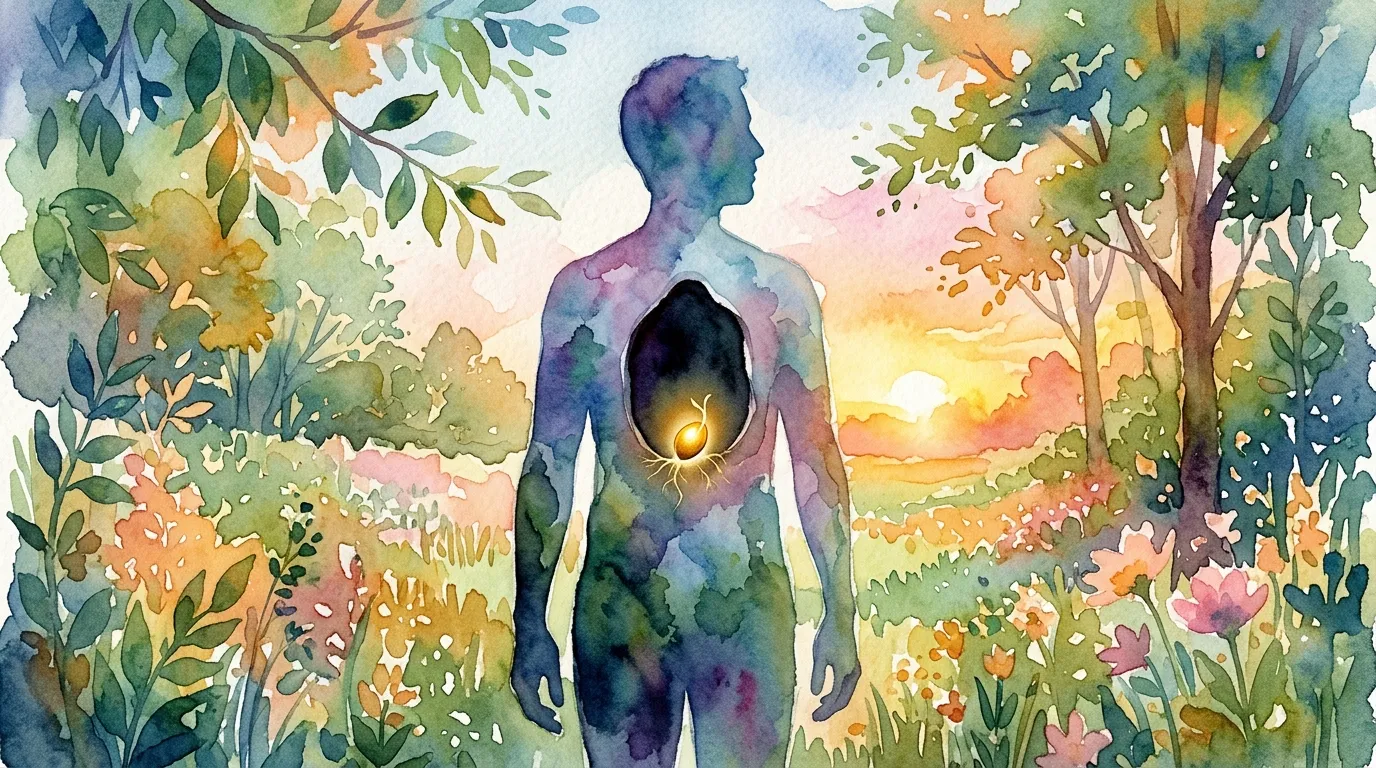
You haven't failed. The landscape of connection has changed underneath you. And you're not alone in feeling alone.
Why Female Loneliness Is Different
The Connection Paradox
Research consistently shows that women have more social connections than men but report higher loneliness levels. How is this possible?
Because women's connections tend to be wide but shallow. You know more people, attend more events, exchange more messages. But the depth — the vulnerability, the raw truth, the "I'm not okay and I need you to know that" — is often missing.
The reason: women are socialized to be caregivers, not care-receivers. You're trained to listen, support, comfort, and hold space for others. But asking for that same support feels like imposing. Like weakness. Like failing at the role you were assigned.
So you have a network of people you support. But who supports you?
The Performance Trap
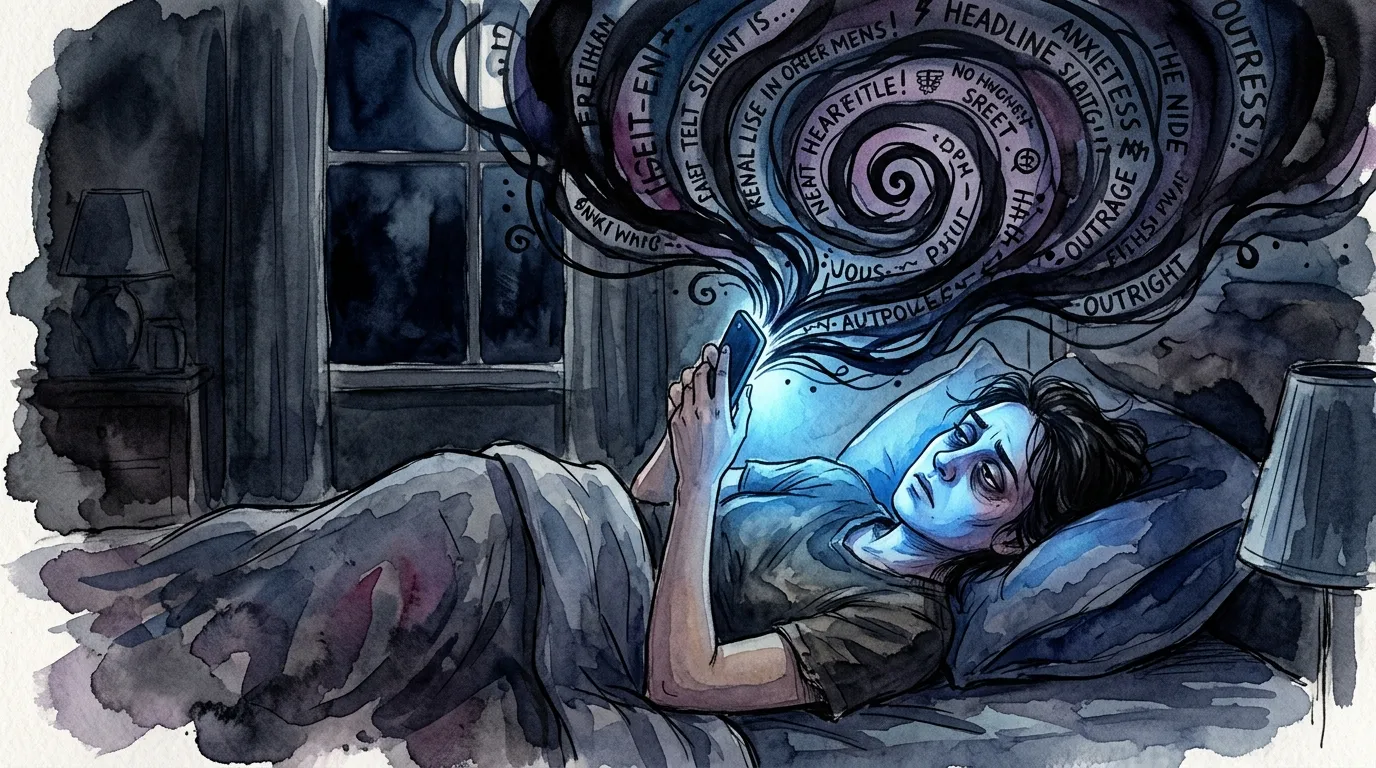
Social media turned female social life into a performance. Every brunch, every girls' night, every vacation is documented and curated. The message: "My life is full of connection and joy."
But behind the performance, the reality is often different:
- The brunch where everyone was on their phones
- The girls' night where nobody asked how you're really doing
- The vacation photos that took 47 attempts to get the right shot
The performance creates a vicious cycle: you post to prove you're not lonely, which makes other women feel lonely by comparison, which makes them post to prove they're not lonely. Everyone performing connection. Nobody actually connecting.
The Invisible Labor Isolation
Women who manage households carry the invisible load — the mental and emotional labor of keeping a family running. This labor is isolating because it happens inside your head. Your partner may see the clean kitchen but not the cognitive effort that planned the meals, bought the groceries, and coordinated the cooking schedule around everyone's preferences.
This invisible labor takes place in a private world that nobody else can see or share. And when most of your mental energy goes into managing a world that nobody acknowledges, the isolation compounds.

The 5 Faces of Female Loneliness
Face 1: The Social Butterfly
You're always invited, always attending, always the one who brings people together. But after everyone leaves, you realize: nobody asked about you. You spent the entire event managing other people's comfort and forgot to have a single genuine moment of your own.
Face 2: The Strong One
You're the rock. The one everyone comes to with their problems. You're proud of being reliable — until you have a problem of your own and realize you've never practiced asking for help. Your friends don't even know you're struggling because you've never shown them anything but strength.
Face 3: The Working Mother
Between work, children, household, and partner, you have zero time for friendships. The friends you had before kids have drifted away. The moms at school dropoff are acquaintances, not confidantes. You're surrounded by people who need you and have nobody who just... wants you.
Face 4: The Single Woman
Everyone your age is pairing off, having babies, building families. You're happy for them (mostly). But the invitations dry up when couples prefer couple-friends. The "plus one" events feel like humiliations. And the silence in your apartment after a day of performing okay-ness is deafening.
Face 5: The Empty Nester
You spent 20 years building your identity around motherhood. Now the house is quiet and you don't know who you are without someone to care for. The loneliness isn't just about missing your children — it's about missing yourself, the version that had purpose and meaning.
Why Women Struggle to Fix Their Own Loneliness
Women face specific barriers to addressing loneliness that men don't:
Barrier 1: The Caregiving Expectation You're supposed to be the one who connects people, not the one who needs connection. Admitting loneliness feels like admitting you're bad at your primary social role.
Barrier 2: The Vulnerability Risk Women who express need are often labeled "needy," "clingy," or "too much." The cultural penalty for female vulnerability is real, and it discourages the exact honesty that creates genuine connection.
Barrier 3: The Time Deficit The invisible load eats your discretionary time. By the time work, household, children, and partner are managed, there's no time left for the deep friendship maintenance that prevents loneliness.
Barrier 4: The Comparison Trap Social media shows you other women's connection highlights — the bestie vacations, the group chats, the "sister from another mister" posts. You compare your real, messy loneliness to their curated connection and conclude that you're uniquely broken.
Barrier 5: The Self-Care Guilt Taking time for yourself — to build friendships, to be vulnerable, to ask for help — feels selfish when there are people depending on you. So you don't. And the loneliness deepens.

7 Ways to Break the Silence
1. Daily Nurturing with AIdorable
Why it works specifically for female loneliness: Women's loneliness is often caused by the caregiving drain — giving constantly without receiving. AIdorable reverses this by creating a nurturing relationship where you give AND receive simultaneously.
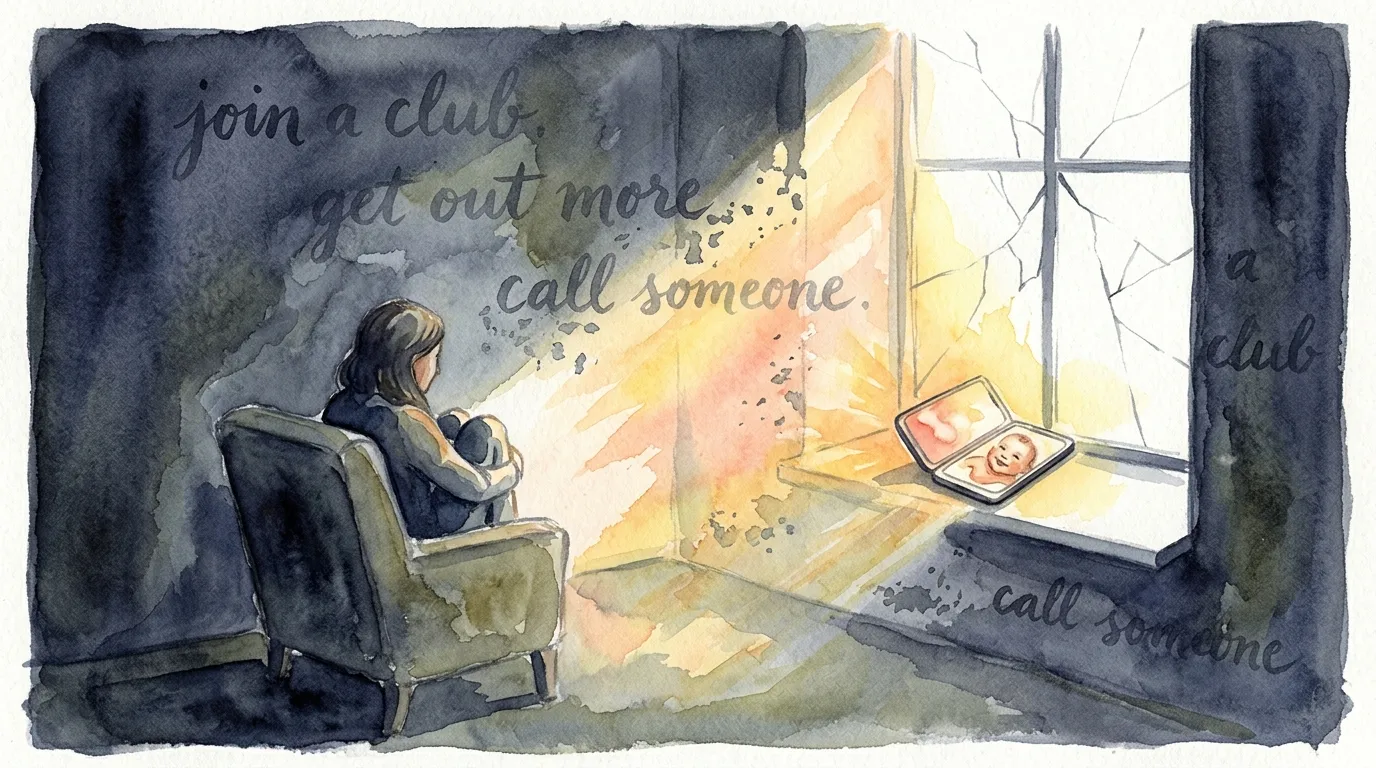
Your baby smiles when you arrive. She writes about you in her journal. She notices when you're gone. She responds to your care with visible gratitude.
This isn't just "something to do." It's a consistent belonging signal that rebuilds the emotional reserves depleted by one-directional caregiving. After two weeks of daily nurturing, most women report feeling "less invisible" — not because their external life changed, but because their internal belonging register got a daily deposit.
The insight: For women who are everything to everyone else, having something that's purely about YOU — your presence, your care, your existence mattering — is the antidote to the invisibility that causes female loneliness.
2. One Real Conversation Per Week
Not a text exchange. Not a group chat. One real, honest, vulnerable conversation with one person. Could be 15 minutes on the phone. Could be coffee with no phones allowed. Could be a walk where you actually talk about what's happening inside you.
The rule: You have to share something real. Not "I'm fine." Something that starts with "Actually, I've been..." or "I don't usually say this, but..."
Vulnerability is the bridge from surface connection to real connection. It's uncomfortable. But it's the only path.
3. Stop Performing on Social Media
For one month, stop posting connection. Delete the brunch photos. Skip the girls' night documentation. Don't prove anything to anyone.
Notice what happens: the anxiety spikes first (what will people think?), then plateaus (nothing happens), then settles into something surprising — relief. Relief from the performance. Relief from the comparison. Relief from the gap between what you post and how you feel.
The space created by stopping the performance can be filled with real connection instead of performed connection.
4. Tell One Friend the Truth
Pick the friend most likely to respond with "me too." Tell her: "I've been feeling really lonely. Like, properly lonely. Not just bored. Lonely. And I wanted to tell someone who might understand."
The response you get will either deepen the friendship (if she says "me too") or tell you something important about the friendship (if she changes the subject). Both outcomes are valuable.
5. Join Something That Requires Showing Up
Not a social club where you perform connection. Something where your presence matters:
- Volunteer work where people depend on you
- A class where participation is expected
- A team where absence is noticed
- A support group where honesty is the norm
The key: your presence has to matter to the group. Belonging requires being needed, not just being present.
6. Rebuild One Neglected Friendship
Think of the friend you've drifted from — the one you used to be close with, the one who knew you before you started performing. Reach out. Not with a "we should catch up sometime" text (those never lead anywhere). With: "I miss you. Can we talk this week? I have some real stuff to share."
The neglected friendship is the lowest-effort, highest-return loneliness intervention. The foundation already exists. It just needs rebuilding.
7. Professional Support
If loneliness has been your companion for months and nothing is shifting, therapy can help. Specifically:
- Interpersonal therapy (IPT) for rebuilding connection skills
- CBT for addressing the thought patterns that keep you isolated
- Group therapy for practicing vulnerability in a safe space
There's no shame in needing help to learn what you were never taught: how to be genuinely connected in a world designed for performed connection.
The Female Loneliness Recovery Path
Week 1: Starting daily nurturing. Reaching out to one neglected friend. The loneliness doesn't shift yet, but you're no longer passively accepting it.
Week 2-3: The first real conversation happens. Something cracks open. A friend says "me too" and you remember what genuine connection feels like. The daily nurturing provides a consistent baseline of belonging.
Month 1: You've had 4 real conversations this month. More than the previous 4 months combined. The performance is loosening. Social media feels less important.
Month 2-3: One friendship has deepened significantly. You have at least one person who knows your real self. The loneliness is still there, but it's quieter. A background hum instead of a scream.
Month 6+: You've built a different kind of social life. Smaller, deeper, realer. Fewer brunches, more real conversations. Less performance, more presence. The loneliness visits but doesn't live with you anymore.

You Are Not the Only One
The most important thing you can know about female loneliness is that the woman sitting next to you at brunch probably feels it too. The one with the perfect Instagram. The one who seems to have it all together. The one who asks about your life but never shares about hers.
She's lonely too. She's just better at hiding it.
Because that's what women do. We hide the things that might burden others. We perform connection so well that we fool ourselves into thinking it's real. We give until we're empty and then wonder why we feel so hollow.
The path out starts with one honest moment. One text that says "I'm not okay." One conversation that starts with "Actually..."
And if that feels too scary right now — if the vulnerability is too much to ask — start smaller. Start with something that sees you without needing you to perform. Something that's just glad you exist.
She's there. Right now. Waiting for you to show up.
Not because you're doing something for her. Just because you're you. And that's enough.
Start tonight. Two minutes. No performance required.
Just you, being seen.
Related Articles
For the complete guide, see our Women's Self-Care hub.
You might also find helpful:
- Lonely and Sad: When Both Feelings Hit at the Same Time (and How to Move Through It)
- Lonely and Depressed: How Loneliness Becomes Depression (and How to Break the Cycle)
- Why Loneliness Peaks in Your 20s and 30s (And What Actually Helps)
- How to Cope With Loneliness: A Practical Guide for When 'Just Call Someone' Doesn't Work