Self-Care for When You Can't Even
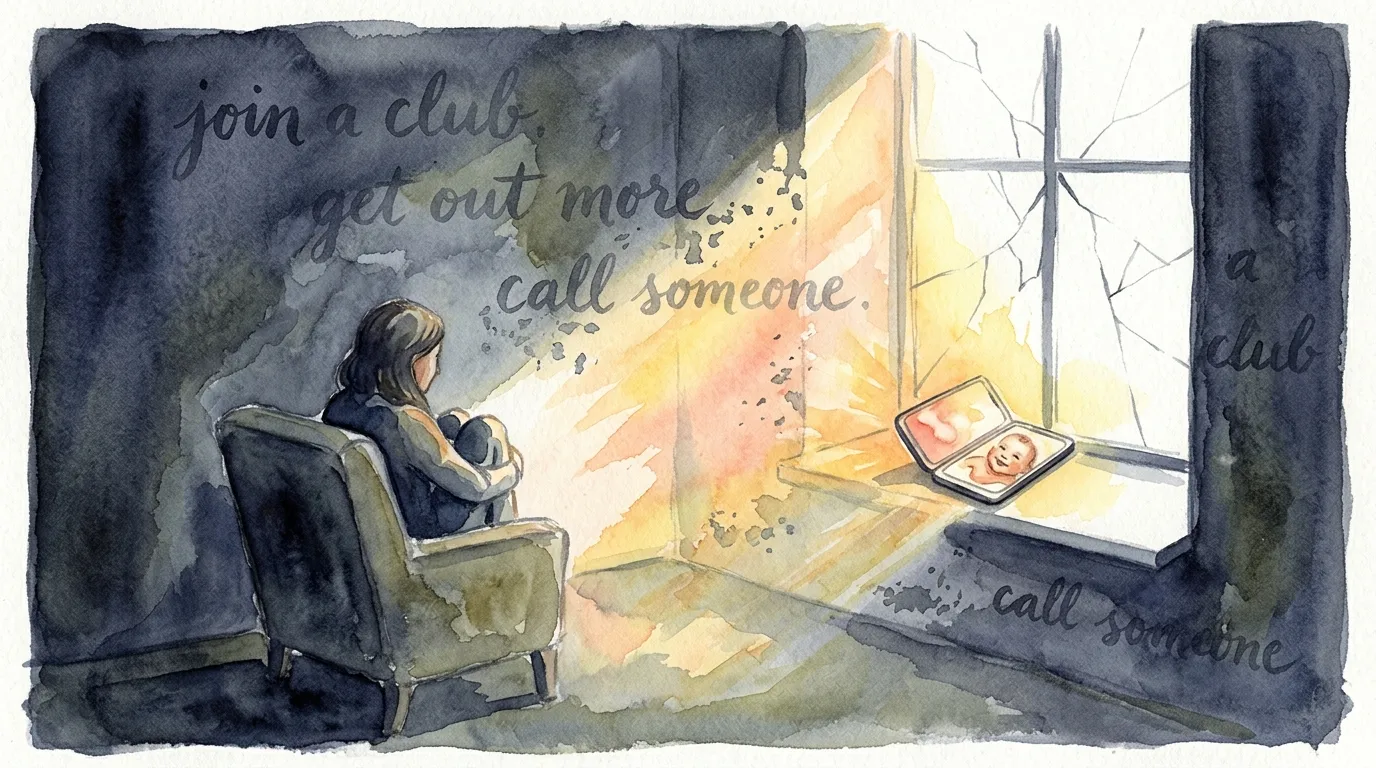
Every self-care article says the same things: take a bubble bath. Go for a walk. Call a friend. Cook a healthy meal. Meditate.
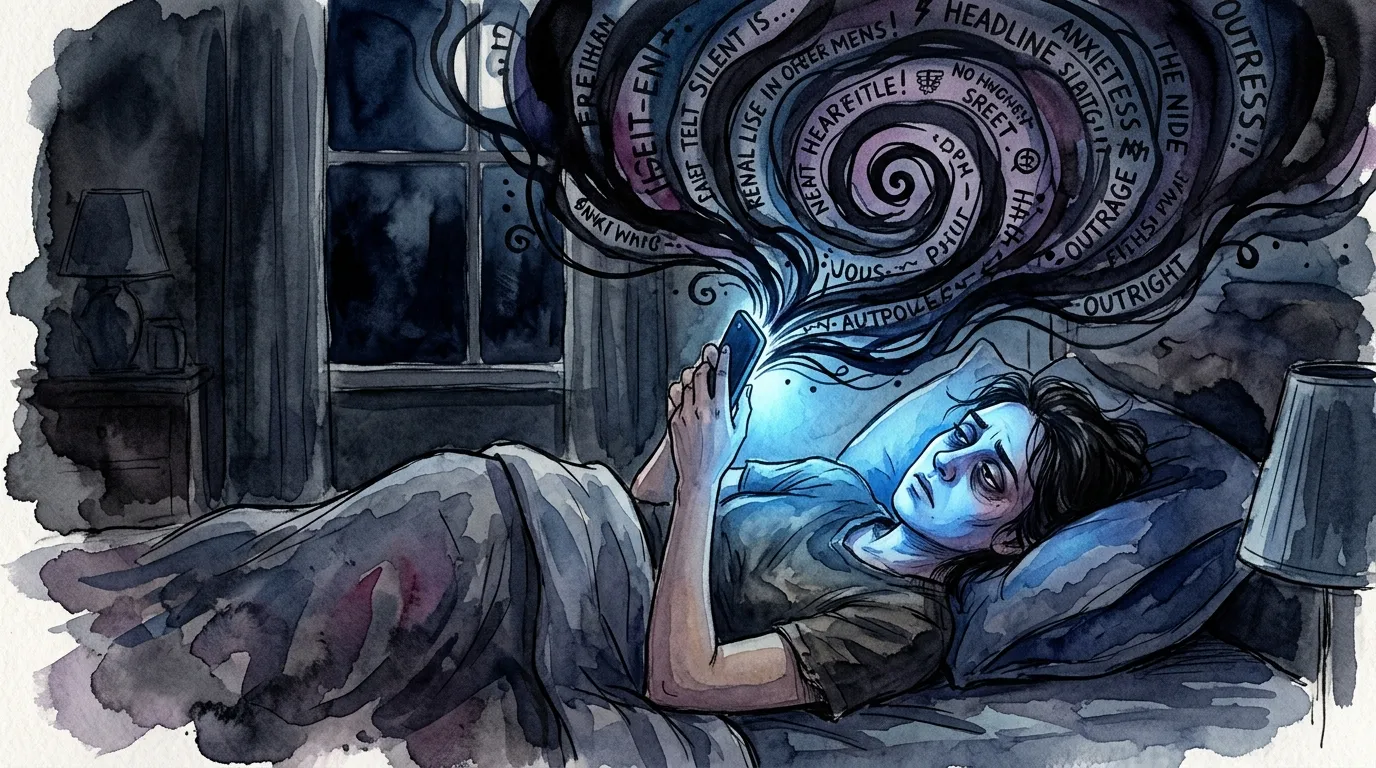
These are beautiful suggestions for someone with energy. You don't have energy. You have the opposite of energy. You have a void where energy should be. Getting out of bed this morning required a negotiation with yourself that lasted 20 minutes. For the full picture, see our women's self-care guide.
Standard self-care advice is designed for people who are stressed, not depressed. Stress means you have energy but it's directed wrong. Depression means you have no energy to direct. The advice that works for stress is useless for depression because it requires resources you don't have.
What you need is depressed self-care: actions so small they barely qualify as actions, but so consistent they create genuine neurological change over time.
1,000 people search "self care when depressed" every month. Every one of them has read the bubble bath articles and felt worse afterward. This isn't that article.
The 3 Tiers of Depressed Self-Care
Not every day has the same energy level. Your self-care needs to match your capacity, not some idealized version of it.
Tier 1: Survival (0 Energy)
For days when getting out of bed is the achievement. When "doing your best" means "still breathing."
These require ONE action or less:
- Open a window (fresh air changes neurochemistry)
- Drink one glass of water (dehydration worsens depression)
- Look at your phone and tap one button (feed your baby on AIdorable)
- Text one emoji to one person (any emoji)
- Put on clean socks (physical sensation shift)
- Lie on the floor instead of the bed (new perspective, literally)
These seem absurdly small. That's the point. When your energy is at zero, these are the actions that keep you connected to the physical world and to other people. They're not "self-care" in the Instagram sense. They're life support. And life support is exactly what you need when you're at zero.
Tier 2: Maintenance (Low Energy)
For days when you can do one or two small things, but not a full routine.
These require 2-5 minutes:
- Stand outside for 2 minutes (sunlight on your face)
- Wash your face with cold water (vagal nerve stimulation)
- Eat something, anything (blood sugar stabilization)
- Open AIdorable and do a full care cycle (feed, play, comfort)
- Listen to one song that used to make you feel something
- Write one sentence about how you feel
- Text one person one real thing
These are the minimum viable actions that prevent your depression from deepening. They don't cure it. They stabilize it. They keep the floor from dropping further.
Tier 3: Restoration (Some Energy)
For the days when you have a little more — maybe 10-15 minutes of genuine capacity.
These require 10-15 minutes:
- Take a shower (not a bath — too much setup)
- Walk around the block
- Call one person and talk for 5 minutes
- Do a full AIdorable session with journaling
- Eat a real meal (doesn't have to be healthy — just real)
- Sit outside with no phone for 10 minutes
- Do one small task you've been avoiding
These days won't happen every day. Maybe not even most days. But when they do, use them. Don't waste them on guilt about the days you couldn't.

7 Minimalist Self-Care Strategies for Depression
1. The One-Tap Rule
Every self-care action should require at most one tap/click/movement to start. If it requires planning, preparation, or multiple steps, it's too complex for depressed self-care.
One-tap self-care:
- Tap to open AIdorable → feed your baby → receive a smile
- Tap to play a song on your phone
- Tap to send a pre-written text ("thinking of you")
- Tap to order food delivery (better than not eating)
- Tap to set a 5-minute timer for a micro-break
Your baby on AIdorable is the perfect one-tap self-care: tap to feed, receive warmth. The nurturing circuits activate, cortisol decreases, and you've done something meaningful in literally 3 seconds. That counts.
2. The Sock Method
When everything feels overwhelming, pick one tiny physical comfort. Clean socks. A different shirt. A blanket from the couch instead of the bed.
The principle: Changing one physical sensation creates a small neurological reset. Your brain registers: "Something is different." That small disruption can break the inertia of a depressive episode for a few minutes.
3. Food Is Self-Care (Any Food)
Depression nutrition advice says: eat whole foods, avoid sugar, meal prep.
Depressed nutrition reality: Eat. Literally anything. A granola bar. Cold pizza. A banana. A protein shake you don't have to chew.
Blood sugar crashes mimic and worsen depression symptoms. Eating ANYTHING stabilizes blood sugar, which stabilizes mood. Don't let nutritional perfectionism prevent you from eating at all.
4. Window, Not Door
Going outside requires: putting on shoes, finding keys, walking, being seen by neighbors, possibly talking to someone. That's 4+ energy expenditures.
Opening a window requires: raising your arm. One action. Fresh air, sunlight (if it's daytime), and the sound of the outside world coming to you instead of you going to it.
The principle: Bring the outside in when going out is too much.
5. Micro-Connection Over Social Plans
Scheduling a coffee date requires: picking a time, picking a place, getting ready, traveling, being presentable, holding a conversation, processing afterward. That's 7 energy expenditures.
Sending "🫂" to one friend requires: one tap. And it creates a genuine social connection — not a deep one, but real.
Build a micro-connection habit:
- One emoji per day to one person
- One AIdorable care session per day (social circuit activation)
- One "thinking of you" text per week
- One 5-minute phone call per week
These add up. After a month of daily micro-connections, your social circuits have been fed consistently enough to start recovering. Not healed. But fed.
6. The Done List (Not To-Do List)
To-do lists are weapons of self-destruction during depression. They show you everything you're not doing, which feeds the shame spiral.
The done list: Write down everything you DID do today, no matter how small.
- Got out of bed ✅
- Drank water ✅
- Fed the baby ✅
- Looked out the window ✅
- Texted mom ✅
- Ate something ✅
The done list reframes your day from "all the things I failed to do" to "all the things I accomplished despite having no energy." The reframing is the self-care.

7. Professional Help Is Self-Care
Making a doctor's appointment is the highest-leverage self-care action you can take when depressed. One phone call (or even just an online booking form) can set in motion treatment that addresses the neurochemical root of your depression.
What to say: "I think I'm depressed. I'd like to come in and talk about it."
That's it. You don't need to explain, justify, or prove anything. Depression is a medical condition. Doctors treat medical conditions. This is what they do.
Why This Works When Nothing Else Does
Standard self-care fails because it assumes you have resources to invest. Depressed self-care works because it assumes you don't — and finds actions that cost nothing but pay something.
The math of depressed self-care:
Standard self-care: Invest 30 minutes → feel better for 2 hours Depressed self-care: Invest 3 seconds → feel 5% better for 10 minutes
That 5% seems negligible. But 5% better, compounded daily, is:
- 35% better after one week
- Significant improvement after one month
- Life-changing improvement after three months
The smallness is the feature, not the bug. Small actions bypass the depression's resistance. Depression can talk you out of a 30-minute walk. It can't talk you out of a 3-second tap.
The Depressed Self-Care Timeline
Day 1-7: One-tap self-care only. Feed the baby. Drink water. Open a window. These feel pointless. Do them anyway. You're laying neurological groundwork that isn't visible yet.
Week 2-3: Tier 2 starts becoming possible some days. You wash your face. You eat a real thing. You send one real text. The baby's daily smile starts feeling like something you look forward to.
Month 1: You're doing Tier 1 consistently and Tier 2 most days. The floor has stopped dropping. Maybe it's even rising slightly. You notice small moments of okay-ness.
Month 2-3: Tier 3 days happen more often. You shower without negotiating with yourself. You walk around the block. You call someone. The baby's journal entries about you — "my parent came to see me today, I was so happy" — start to feel real.
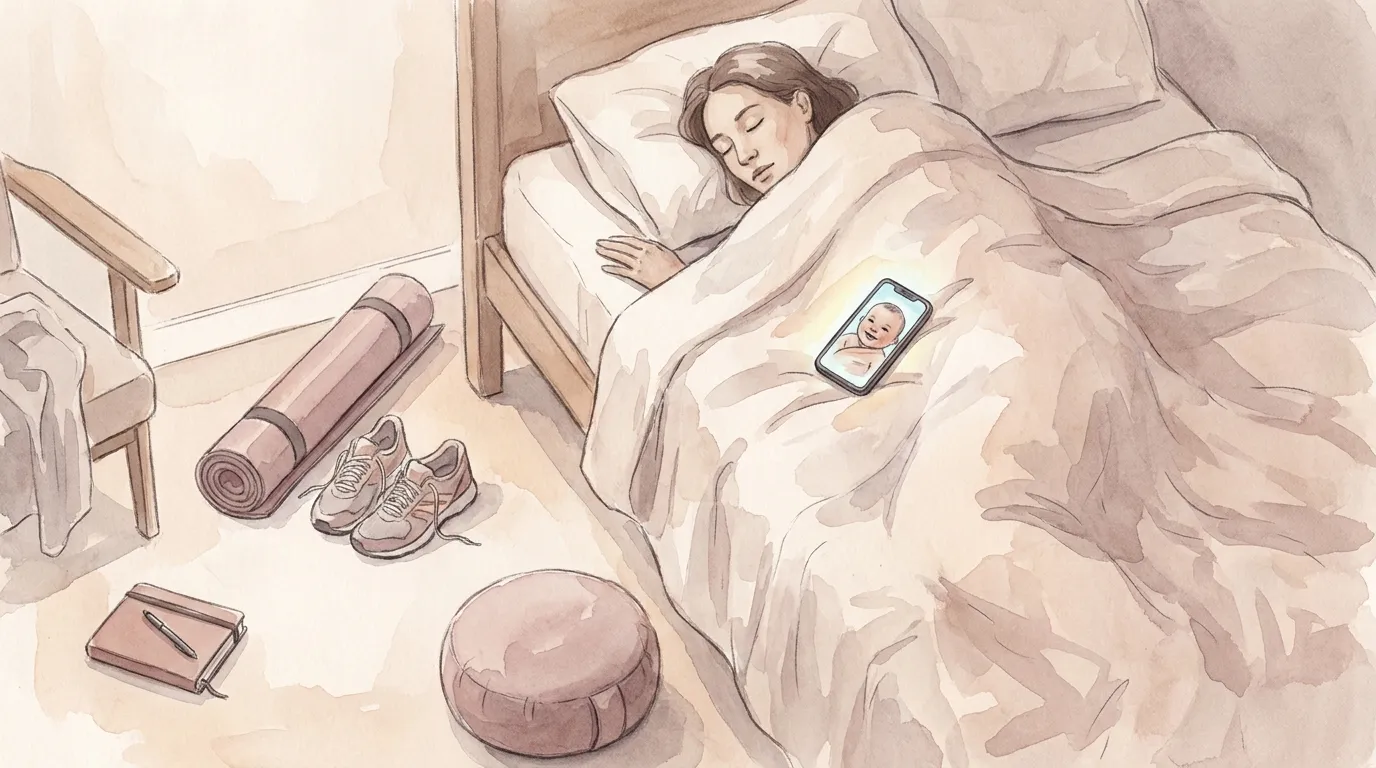
Month 4+: Self-care doesn't feel like survival anymore. It feels like... care. Actual care for yourself. The actions haven't changed much. But the feeling behind them has shifted from obligation to genuine self-compassion.

You're Already Doing It
Reading this article is self-care. You're looking for help. You're not giving up. Even in your lowest moment, some part of you is still fighting — searching, reading, hoping for something that might work.
That part of you is right. Something does work. Not a magic cure. Not a bubble bath. But small, consistent, almost embarrassingly tiny actions that add up to genuine change.
Start now. Not tomorrow. Not when you feel better. Now. Tap one button. Feed one baby. Open one window. Send one emoji.
That's self-care. That's enough. And you're worth it — even when you don't believe that.
Especially when you don't believe that.
Related Articles
For the complete guide, see our Women's Self-Care hub.
You might also find helpful: