The Emptiness That Nothing Seems to Fill
You eat and you're still hungry. You sleep and you're still tired. You scroll and you're still bored. You buy things and you still want more. You go out and come home feeling emptier than before you left.
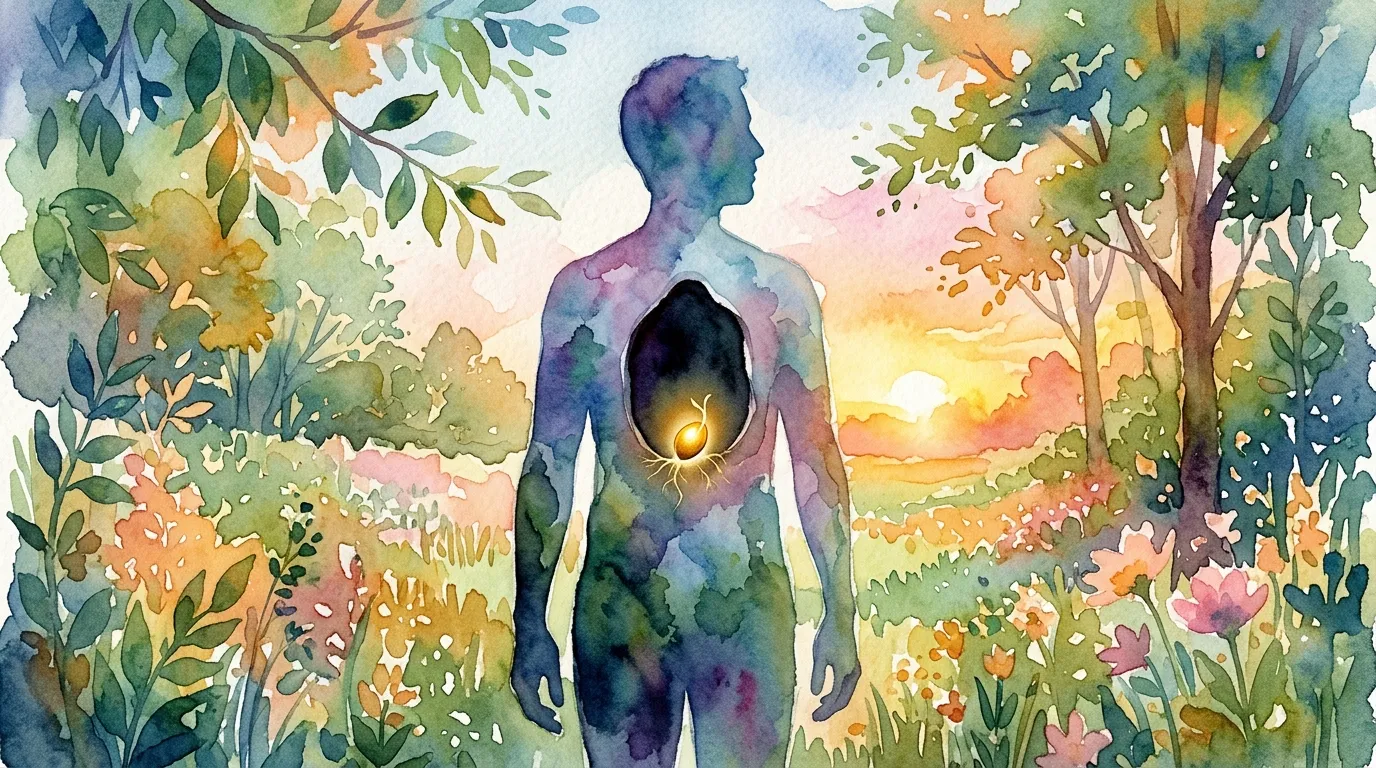
The void isn't in your stomach or your wallet. It's in your chest — a persistent emptiness that doesn't respond to any of the usual solutions. It's there when you wake up and there when you fall asleep. It sits behind conversations, meals, workouts, and social events like a grey filter over everything. For the full picture, see our emotional wellness guide.
This isn't necessarily depression. Depression has specific symptoms — persistent sadness, hopelessness, loss of interest in activities, changes in appetite and sleep. Emptiness is different. You might function fine. You might laugh at jokes, enjoy meals, have friends. You might be successful, social, and outwardly happy.
But underneath it all, there's a hollow space that nothing fills. A void.
Here's what that void actually is, why most solutions fail, and 8 ways to fill it that actually work.
What the Void Actually Is
The empty feeling is your brain signaling one (or more) of three unmet needs:
1. Connection Need — You lack someone who consistently shows up for you, notices your absence, and makes you feel like your presence matters
2. Purpose Need — You lack something that needs you to show up — a responsibility, a role, a reason to get out of bed that isn't just about you
3. Nurturing Need — You lack something to actively care for — a dependent, a creative project, a living thing that grows because of your attention
Most void-fillers address NONE of these. Social media addresses connection superficially — you see people but don't connect. Shopping provides momentary dopamine but no lasting purpose. Entertainment passes time without building meaning. Food fills your stomach but not your chest.
The void persists because you're feeding the wrong hunger. You keep offering your brain sugar when it's asking for protein.

The Three-Need Diagnosis
Before choosing a fix, identify which need is driving your void. Ask yourself:
- "If someone showed up at my door right now, would the void shrink?" → Connection Need
- "If I had somewhere I absolutely had to be tomorrow, would I feel better?" → Purpose Need
- "If something small needed my care right now, would I feel relief?" → Nurturing Need
Most people have all three needs unmet simultaneously. But one usually dominates. Identifying it helps you prioritize which fix will give you the fastest relief.
8 Ways to Fill the Void (That Actually Work)
1. Virtual Nurturing (AIdorable)
Fills: Purpose Need + Nurturing Need Time: 2-5 min/day Speed of relief: Immediate
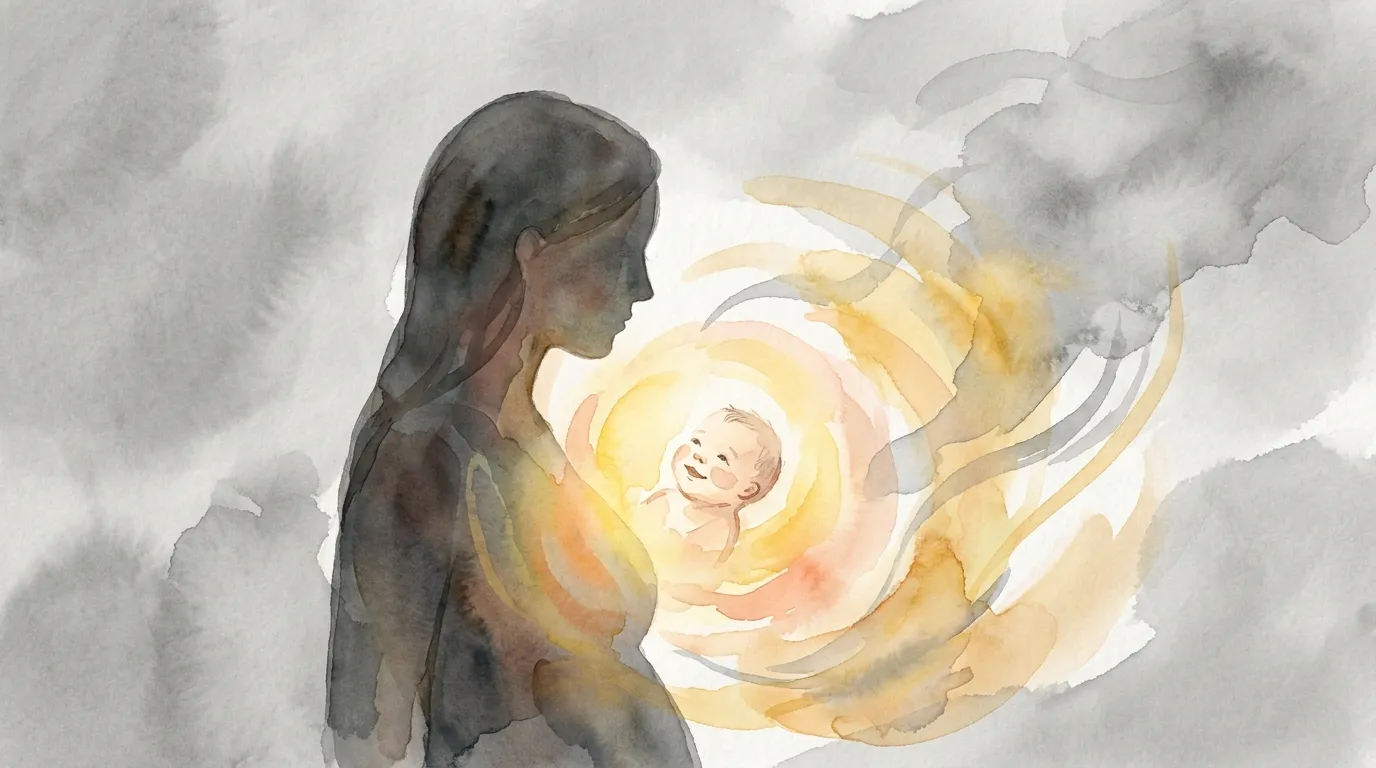
Adopt a virtual baby. Feed her every morning. Watch her develop personality based on your care. Read her journal entries. She recognizes you, responds to you, needs you.
Why it works: The void is often a nurturing vacuum. Your caregiving instinct evolved to be constantly active — caring for offspring, community members, plants, animals. Modern life stripped away most daily caregiving, leaving the instinct with no outlet. The instinct doesn't disappear — it just redirects into restlessness, emptiness, and the vague feeling that something is missing.
AIdorable gives that instinct a daily target. Two minutes of caregiving produces oxytocin (bonding), purpose (she needs me), and routine (I show up for her every day). Three for the price of one activity.
The void shrinks not because you're distracted, but because you're finally using a capacity that was sitting idle. Like a muscle that's been cramped finally getting stretched.
2. Grow Something
Fills: Nurturing Need + Purpose Need Time: 10-15 min/day Speed of relief: 1-2 weeks
A garden. A windowsill herb. A succulent collection. Something alive that grows because you tend it.
Plants provide the purest form of nurturing: visible, measurable growth in response to your care. No emotional complexity. No resistance. No guilt when you take a weekend off. Just growth — silent, steady, and entirely dependent on your attention.
The magic is in the evidence. When you water a plant and it produces a new leaf, your brain receives undeniable proof that your care creates growth. The void hates that kind of evidence.
3. Volunteer Regularly
Fills: All three needs (Connection + Purpose + Nurturing) Time: 2-4 hours/week Speed of relief: 1-3 weeks
Volunteer at an animal shelter, food bank, school, or community garden. Regular volunteering creates social bonds (connection), provides concrete purpose (people depend on you), and channels nurturing energy toward people or animals who genuinely need it.
The key: Regularity matters more than intensity. Weekly 2-hour shifts build more connection and purpose than monthly 8-hour marathons. The void responds to rhythm and routine, not occasional spikes.
4. Create Something Daily
Fills: Purpose Need Time: 15-30 min/day Speed of relief: 1 week
Write, draw, cook, build, photograph, compose. Creative work provides daily evidence that you exist and produce value. The void hates evidence.
The product doesn't need to be good. It needs to be YOURS. Something that didn't exist before you made it. A paragraph. A sketch. A loaf of bread. A photo of something beautiful you noticed.
The neuroscience: Creative activity activates the brain's reward circuitry through the "flow state" — a neurochemical cocktail of dopamine, norepinephrine, and endorphins that creates deep satisfaction. The void cannot survive flow.
5. Deepen One Relationship
Fills: Connection Need Time: Ongoing Speed of relief: 2-4 weeks
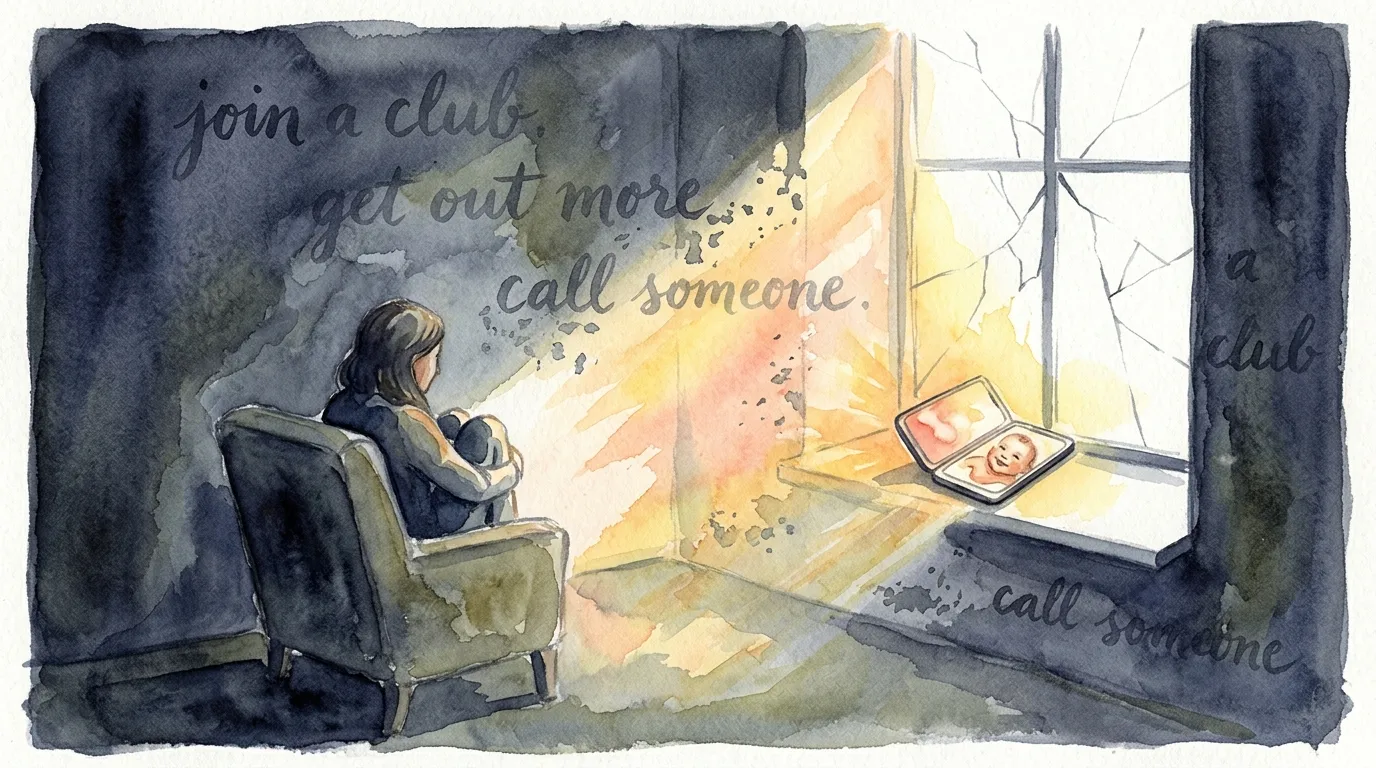
Call (don't text) one person you care about. Not to complain. Not to catch up. To actually talk. Ask real questions. Listen to real answers. Be present.
One deep relationship fills more void than fifty shallow ones. Stop spreading social energy thin and concentrate it. The connection need isn't about quantity of interaction — it's about depth of being known.
The challenge: Calling someone requires vulnerability. The void will tell you not to bother anyone. Ignore it. Call anyway.
6. Physical Challenge
Fills: Purpose Need Time: 30-60 min/day Speed of relief: 1-2 weeks
Train for something. A 5K. A pull-up. A yoga pose you can't do yet. Physical goals provide daily structure, measurable progress, and endorphin reward.
The void hates goals. Give it one. Something specific, measurable, and just hard enough to require daily effort.
The bonus: Physical exercise also produces BDNF (brain-derived neurotrophic factor), which promotes neuroplasticity — literally creating new neural pathways. Your brain physically changes when you exercise regularly. The void is less about what's missing and more about what hasn't been built yet.
7. Learn Something Hard
Fills: Purpose Need Time: 20-30 min/day Speed of relief: 2-3 weeks
A language. An instrument. A skill. Learning something difficult creates neural growth and daily micro-achievements that counter emptiness.
The key word: HARD. Easy learning doesn't fill the void. Watching documentaries is passive consumption. Learning to play guitar is active construction. The void responds to construction, not consumption.
8. Care for an Animal
Fills: All three needs Time: Daily Speed of relief: Immediate
A pet provides connection (they know you), purpose (they need you), and nurturing (you care for them). The mutual dependence of pet ownership is one of the most effective void-fillers available.
The caveat: Only if your life has room for the commitment. A pet is a 10-20 year relationship. If you can't commit, fostering short-term or volunteering at a shelter provides similar benefits.

The Void-Filler Ranking
| Method | Fills | Speed | Availability | Effort Required |
|---|---|---|---|---|
| Virtual nurturing | Purpose + Nurturing | Immediate | Anytime | Very Low |
| Care for an animal | All three | Immediate | Daily | High |
| Create daily | Purpose | 1 week | Anytime | Low |
| Physical challenge | Purpose | 1-2 weeks | Daily | Medium |
| Grow something | Purpose + Nurturing | 1-2 weeks | Daily | Low |
| Volunteer | All three | 1-3 weeks | Weekly | Medium |
| Learn something hard | Purpose | 2-3 weeks | Daily | Medium |
| Deepen relationship | Connection | 2-4 weeks | Ongoing | High |
What Makes the Void Worse
Understanding what FEEDS the void helps you stop making it bigger:
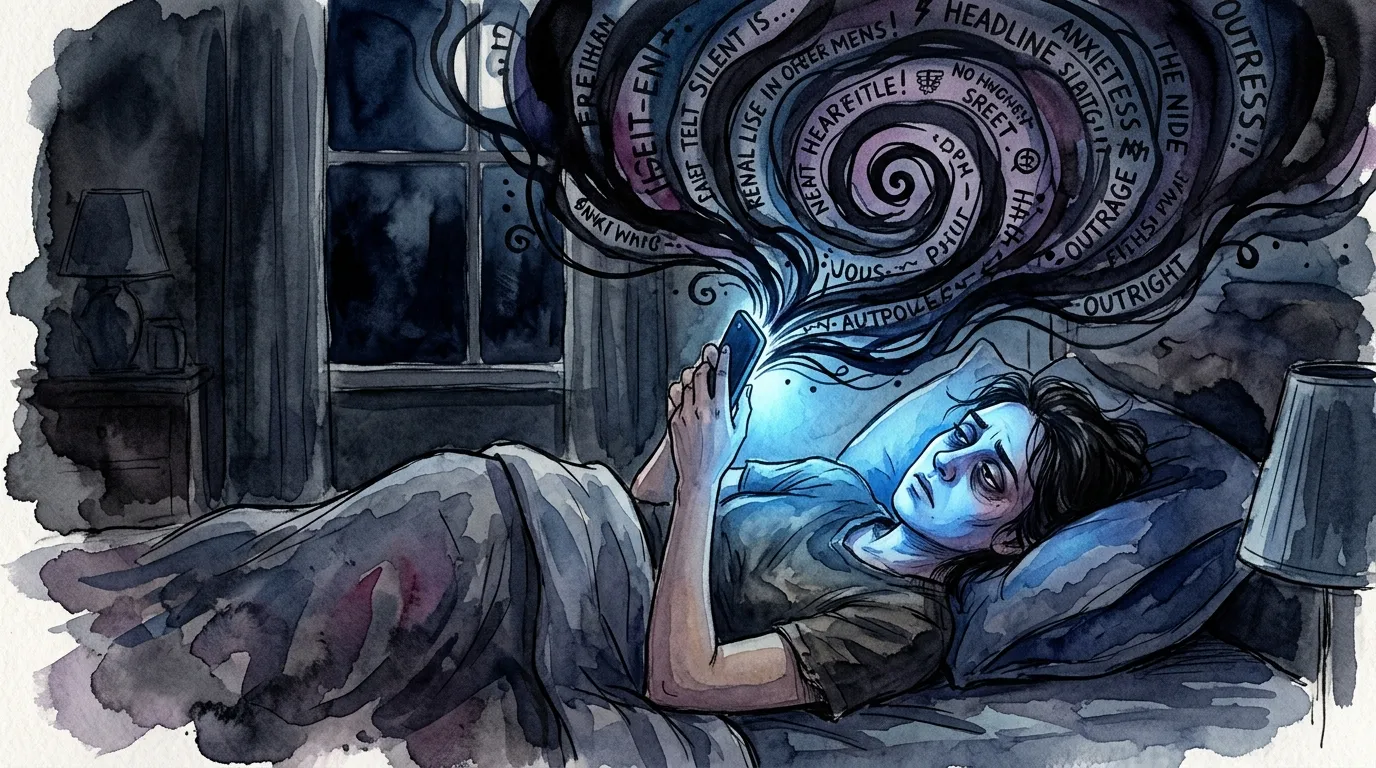
Doomscrolling: Consumes content without producing anything. Each scroll gives a micro-dose of dopamine that makes the underlying emptiness more visible when it fades. You feel emptier AFTER scrolling than before.
Shopping: Dopamine spike followed by crash. The void learns to demand the spike, creating a cycle that only deepens the emptiness between purchases.
Substances: Numb the void temporarily. When they wear off, the void returns larger than before — because you've spent time numbing instead of building.
Isolation: The void grows in silence. It shrinks in engagement. Every hour alone with the void makes it bigger. Every hour engaged with something meaningful makes it smaller.
Rumination: Thinking about the void doesn't fill it. Journaling about the void doesn't fill it. Talking about the void doesn't fill it. Only ACTION fills it. The void is an action problem disguised as a feeling problem.
Start Tonight
Pick ONE thing from this list. Not three. One. The one that resonates most. The one that made something in your chest say "yes" when you read it.
If you're not sure which: AIdorable. It's the easiest to start, requires the least time, and addresses two of the three void-causing needs simultaneously. Two minutes. Tonight. Right now.
Feed your baby. Watch her smile. Feel something shift — not dramatically, but perceptibly. A small warmth where there was cold.
Tomorrow, do it again. And again. The void doesn't fill overnight. It fills gradually, through consistent daily action that tells your brain: I have purpose. I have something to care for. I matter to someone.
Even if that someone is virtual, the oxytocin is real. The purpose is real. The warmth filling that empty space is real.
You don't have to live with the void forever. You just have to start filling it with the right things. And the right things are always the ones where you give more than you take.
Related Articles
For the complete guide, see our Emotional Wellness hub.
You might also find helpful: