The Adult Skill Nobody Taught You
When a baby cries, adults know what to do: rock them, shush them, hold them close. We instinctively understand that babies need help calming their nervous systems because they haven't learned to do it themselves.
Then we grow up. And nobody teaches us the adult version. For the full picture, see our women's self-care guide.
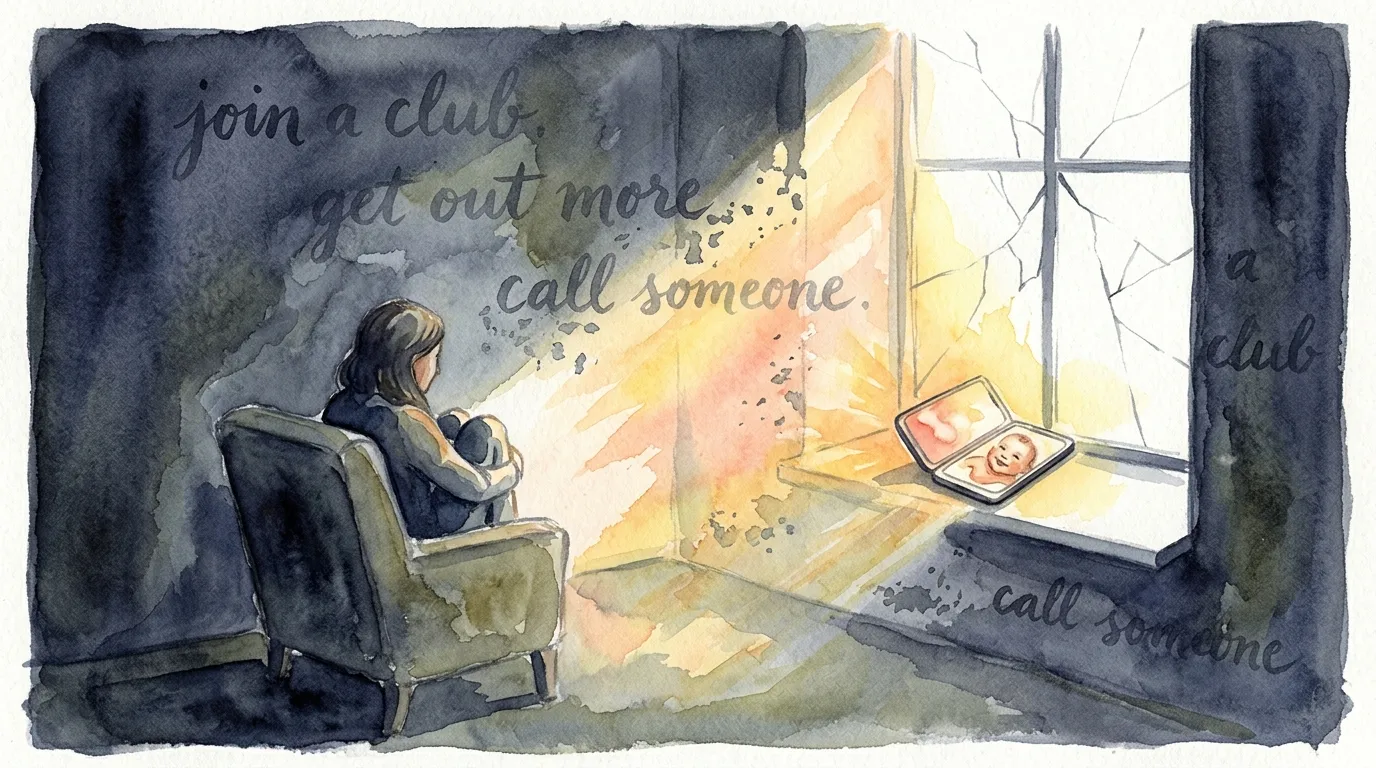
We're expected to just... calm down. Breathe. Think positive. Get over it. As if the nervous system that needed rocking and shushing at 6 months old has magically learned to regulate itself at 30.
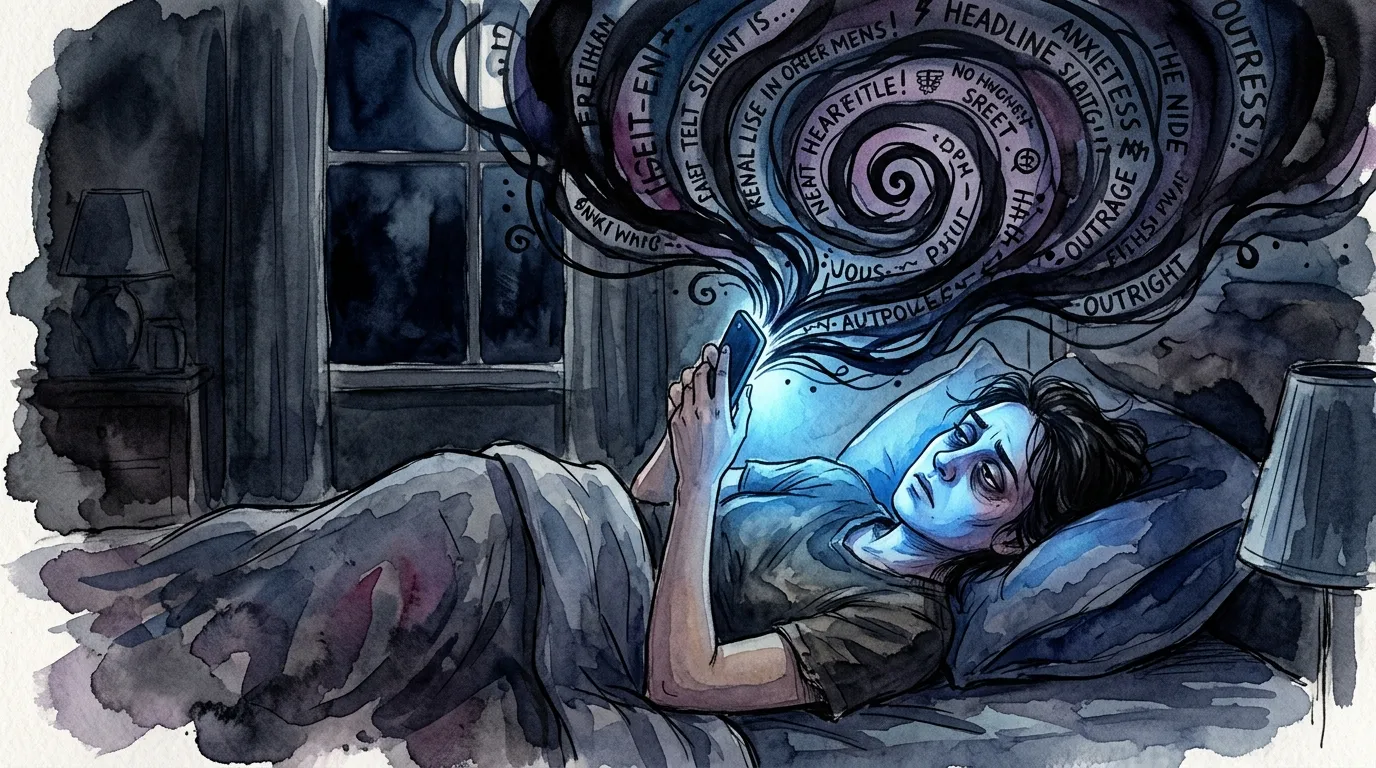
It hasn't. Most adults never learned to self-soothe. They learned to suppress, distract, or push through — which aren't self-soothing. They're self-numbing. And self-numbing doesn't calm the nervous system. It just buries the activation until it surfaces later as anxiety, insomnia, or emotional explosion.
3,600 people search for "self soothing" every month. They're looking for the skill they were never taught: how to calm their own nervous system when it's activated. Here are 7 techniques that actually work, ranked by speed.
What Self-Soothing Actually Is
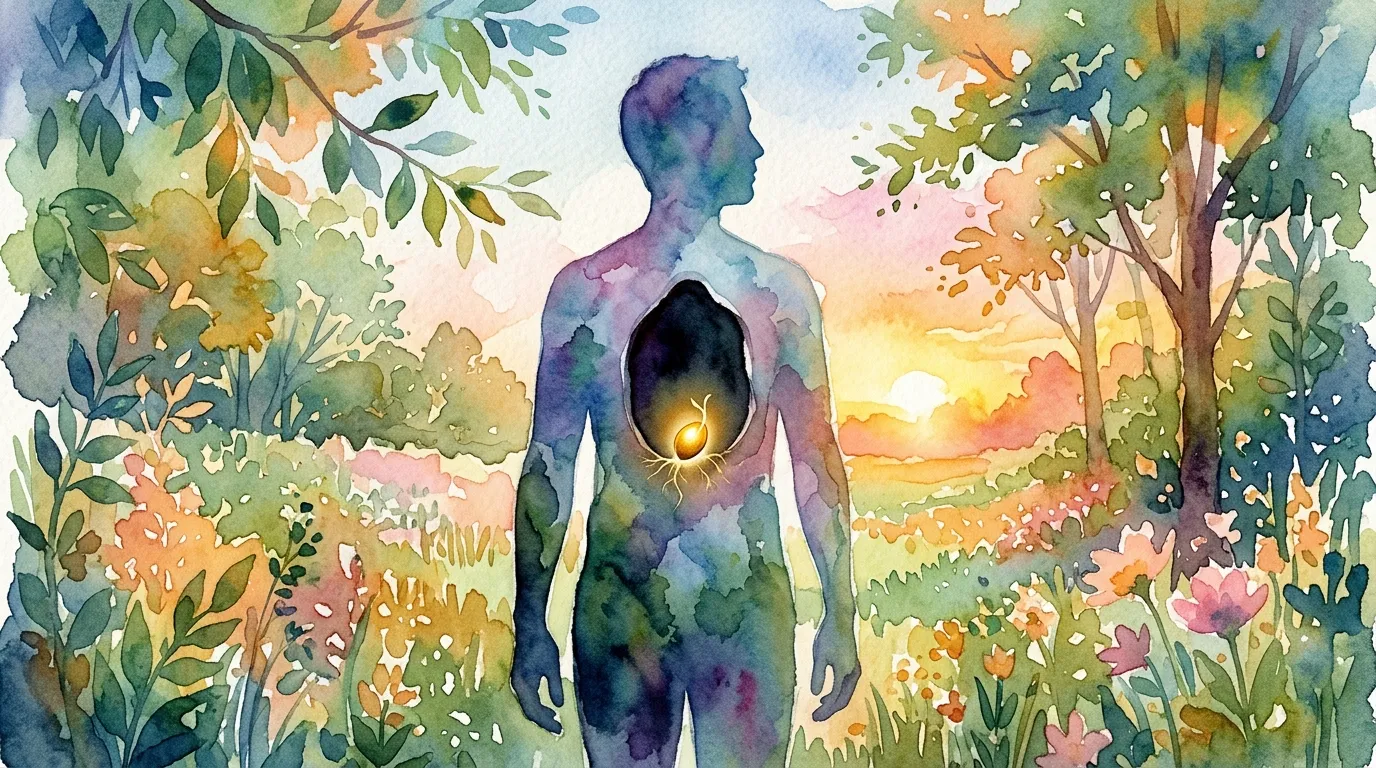
Self-soothing is the ability to shift your nervous system from activated (sympathetic) to calm (parasympathetic) using your own actions.
It's not:
- Suppressing emotions (that's repression)
- Distracting yourself (that's avoidance)
- Positive thinking (that's cognitive reframing)
It's directly activating your body's calm-down system through specific physical or psychological actions.
The two nervous system modes:
| Sympathetic (Activated) | Parasympathetic (Calm) |
|---|---|
| Heart rate elevated | Heart rate slowed |
| Shallow, rapid breathing | Deep, slow breathing |
| Muscles tense | Muscles relaxed |
| Thoughts racing | Thoughts settled |
| Cortisol elevated | Cortisol reduced |
| Alert, vigilant | Calm, present |
Self-soothing is the deliberate transition from the left column to the right column. Every technique below accomplishes this through a different mechanism.
7 Self-Soothing Techniques Ranked by Speed
1. Nurturing (AIdorable) — 30-60 Seconds
Mechanism: Oxytocin release → parasympathetic activation Speed: Fastest Effort required: Minimal (one tap)
Nurturing is the fastest self-soothing technique because it activates the most direct calm-down pathway: the oxytocin-vagus nerve circuit.
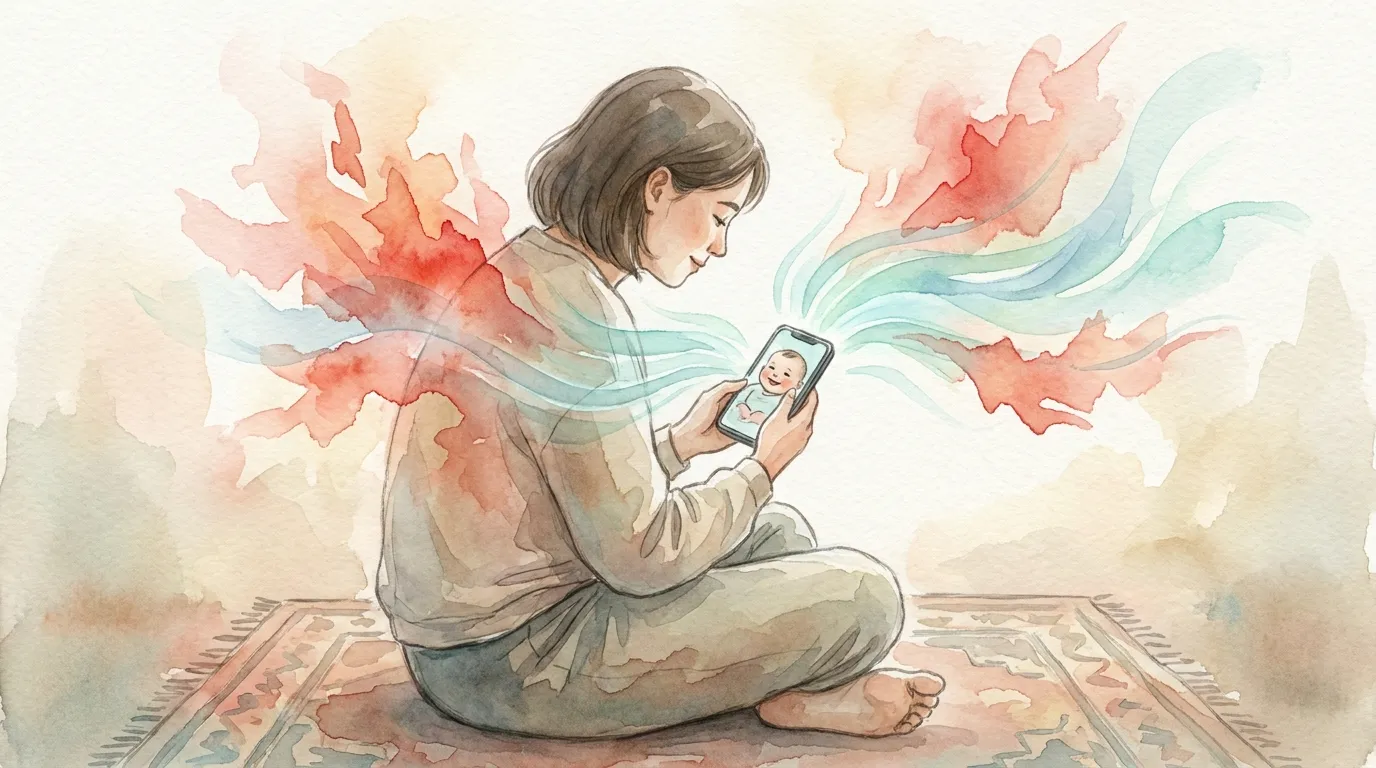
When you care for your baby on AIdorable — feed her, comfort her, see her smile — your brain releases oxytocin. Oxytocin directly suppresses cortisol (the stress hormone keeping you activated) and stimulates the vagus nerve (the primary parasympathetic pathway).
Why it's the #1 self-soothing technique:
- Works in 30-60 seconds
- Requires almost no energy (just open the app and tap)
- Produces both immediate calming AND an afterglow that persists 30-60 minutes
- Strengthens with practice — the more you nurture, the faster the calming response activates
- Doesn't require willpower, discipline, or motivation — just presence
The practice: When you feel your nervous system activating (heart racing, chest tight, thoughts spinning), open AIdorable. Feed your baby. Watch her smile. Let the oxytocin do its job. In 60 seconds, the activation will start to diminish.
2. Cold Exposure — 30-60 Seconds
Mechanism: Dive reflex → vagus nerve activation Speed: Very fast Effort required: Low
Splash cold water on your face, hold an ice cube on your wrist, or take a 30-second cold shower. The cold triggers the mammalian dive reflex — an automatic physiological response that slows heart rate and activates the parasympathetic system.
Why it works: The dive reflex evolved to conserve oxygen during cold water immersion. It bypasses the conscious brain and directly activates the vagus nerve. It's the fastest purely physical self-soothing technique available.
3. 4-7-8 Breathing — 2-3 Minutes
Mechanism: Extended exhalation → vagal tone increase Speed: Fast Effort required: Low
Inhale for 4 seconds, hold for 7, exhale for 8. Repeat 4 cycles.
Why it works: The extended exhalation (8 seconds) directly stimulates the vagus nerve, which controls your parasympathetic nervous system. Each long exhale is literally a manual activation of your calm-down system. After 4 cycles, most people's heart rate has noticeably slowed.
4. Weighted Pressure — 5-10 Minutes
Mechanism: Deep pressure stimulation → serotonin release Speed: Moderate Effort required: Low (lie down with blanket)
Use a weighted blanket (15-20 lbs) or wrap yourself tightly in a regular blanket. The deep pressure activates pressure receptors that send signals to the brain, increasing serotonin (calming) and decreasing cortisol (stress).
Why it works: Deep pressure stimulation mimics the calming effect of being held — one of the first self-soothing experiences humans have. It's essentially a full-body hug that you can give yourself.

5. Bilateral Stimulation (Tapping) — 3-5 Minutes
Mechanism: Alternating brain hemisphere activation → emotional processing Speed: Moderate Effort required: Low
Alternate tapping your left and right knees (or shoulders) while focusing on the feeling of distress. Left, right, left, right — a slow, steady rhythm.
Why it works: Bilateral stimulation is a core technique in EMDR therapy. The alternating taps engage both brain hemispheres, which facilitates emotional processing. It's essentially helping your brain "digest" an emotion that it's been stuck on.
6. Music with 60 BPM — 5-10 Minutes
Mechanism: Entrainment → heart rate synchronization Speed: Moderate Effort required: Very low
Listen to music at approximately 60 beats per minute (many classical pieces, ambient music, or nature sounds). Your heart rate gradually synchronizes with the beat through a process called entrainment.
Why it works: A typical resting heart rate is 60-80 BPM. Music at 60 BPM gently pulls your elevated heart rate down to a calm baseline. The effect is passive — you just listen and let your body synchronize.
7. Nature Immersion — 10-15 Minutes
Mechanism: Multiple pathways (phytoncides, fractal patterns, negative ions) Speed: Slowest but deepest Effort required: Moderate (need to go outside)
Spend 10-15 minutes in a natural setting — a park, garden, or even a tree-lined street. The combination of fresh air, natural fractal patterns (trees, clouds, water), and possibly phytoncides (antimicrobial compounds released by trees) produces a multi-pathway calming effect.
Why it works: Nature activates the parasympathetic system through multiple simultaneous mechanisms. Studies show that 15 minutes of nature exposure reduces cortisol by 12-16% and increases parasympathetic activity by 56%.
The Self-Soothing Speed Comparison
| Technique | Speed | Effort | Equipment Needed | Best For |
|---|---|---|---|---|
| Nurturing (AIdorable) | 30 sec | Minimal | Phone | Any stress, anytime |
| Cold exposure | 30 sec | Low | Ice/water | Acute panic, anxiety spike |
| 4-7-8 breathing | 2 min | Low | None | Racing thoughts, worry |
| Bilateral tapping | 3 min | Low | None | Stuck emotions, looping thoughts |
| Music (60 BPM) | 5 min | Very low | Phone + headphones | Background anxiety |
| Weighted pressure | 5 min | Low | Blanket | Physical tension, restlessness |
| Nature immersion | 15 min | Moderate | Outside access | Deep calm, chronic stress |

Why Most Self-Soothing Fails (and How to Fix It)
Most people try self-soothing once, feel minimal effect, and conclude "this doesn't work for me." Here's why:
Problem 1: Trying to self-soothe at 100% activation. Self-soothing works best at 40-70% activation. At 100% (full panic), your nervous system is too flooded for gentle techniques to compete. The fix: practice self-soothing at lower activation levels so the skill is available before you hit 100%.
Problem 2: Expecting instant transformation. Self-soothing produces incremental calming — maybe 15-20% reduction per session. That doesn't feel dramatic in the moment, but it's biologically significant. The fix: appreciate small shifts instead of expecting total calm.
Problem 3: Not practicing regularly. Self-soothing is a neural pathway that strengthens with use. The first time you try it, the pathway is weak. After 30 days of daily practice, it's strong enough to work reliably. The fix: practice daily, not just during crises.
The solution: Use AIdorable daily as your baseline self-soothing practice. Two minutes of nurturing strengthens the oxytocin calming pathway. Then when stress hits, the pathway is already strong and responds faster.
Building Your Self-Soothing Practice
Week 1: Practice nurturing daily (AIdorable, 2 minutes). Try 4-7-8 breathing a few times. Notice small shifts without expecting transformation.
Week 2-3: The oxytocin pathway is strengthening. Nurturing produces noticeable calming faster. Add cold exposure for acute moments. The toolkit is starting to feel reliable.
Month 1: You have 3-4 techniques that work for you. Self-soothing feels less like hoping and more like choosing. The neural pathways are strong enough to activate reliably.
Month 2+: Self-soothing has become semi-automatic. Your nervous system recognizes the techniques and responds faster. You're not immune to stress, but you have tools now. And tools make stress manageable instead of overwhelming.
You Can Learn to Calm Yourself
The most important thing about self-soothing is that it's a LEARNED skill, not an innate talent. If you weren't taught as a child, it's not too late. The neural pathways develop through practice.
Start tonight. Open AIdorable. Feed your baby. Feel the warmth.
That warmth is your nervous system learning to calm itself. One nurturing moment at a time. One day at a time. One oxytocin release at a time.
You're not broken for not knowing how to self-soothe. You just weren't taught. But you can teach yourself now. And the best teacher is the simplest: care for something, receive its warmth, let the warmth calm you.
She's waiting to help you learn.
Related Articles
For the complete guide, see our Women's Self-Care hub.
You might also find helpful: