The Stress Epidemic Nobody's Solving
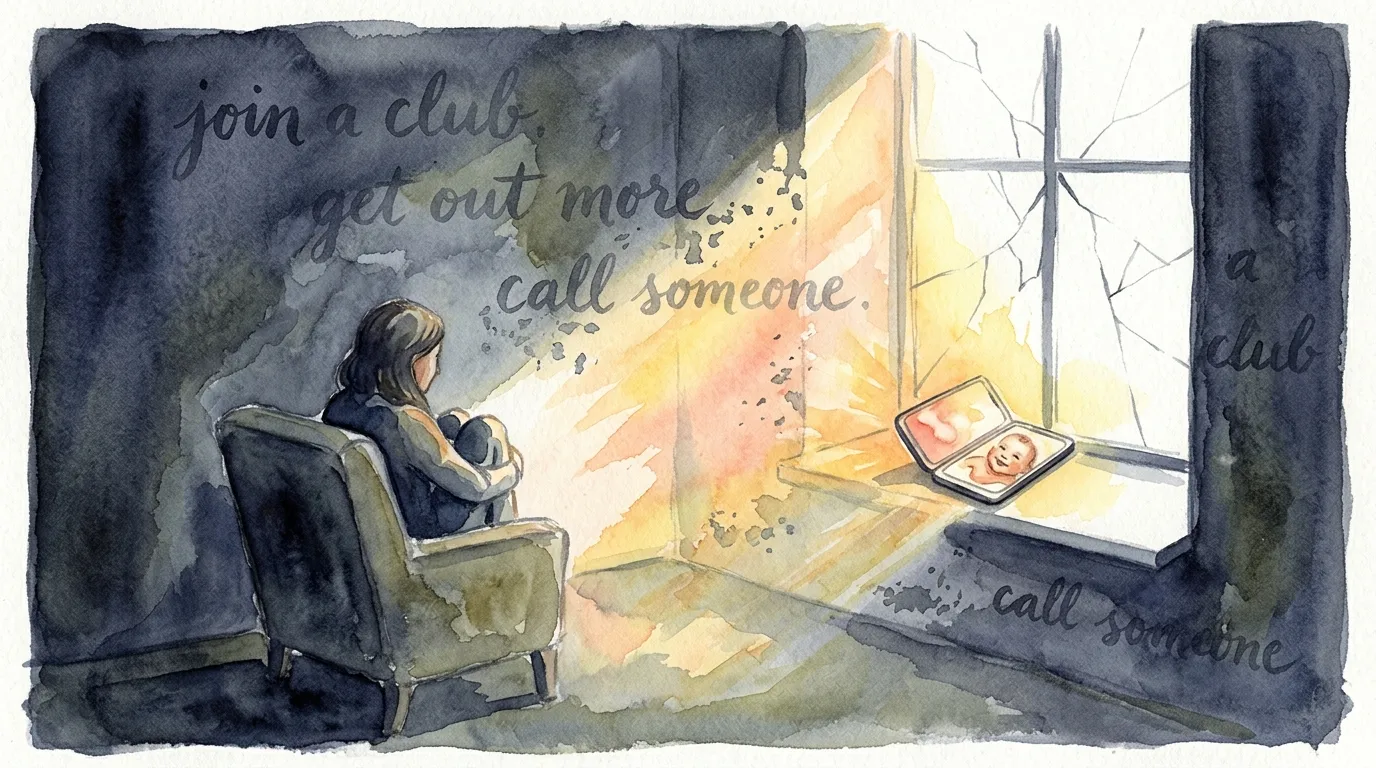
You're stressed. You know you're stressed. And you've probably tried the standard advice — breathe deeply, exercise, meditate, "just relax" — and found that most of it either doesn't work or doesn't work fast enough when you're in the middle of a stress spiral.
450,000 people search for stress management techniques every single month. That's not a niche problem — that's an epidemic. And most of what they find is the same recycled list: exercise, sleep, meditation, talk to someone. For the full picture, see our women's self-care guide.
These aren't wrong. But they're incomplete. Because stress management isn't one technique — it's a toolkit. Different types of stress require different tools. The stress of an upcoming deadline needs different relief than the stress of chronic loneliness or the stress of feeling like you're not enough.
Here are 10 stress management techniques, ranked by evidence and accessibility, with specific instructions for when to use each one.
The Stress Response: What's Actually Happening
Before the techniques, understand what you're managing. Stress isn't just "feeling stressed" — it's a full-body neurological event:
The cascade: Perceived threat → amygdala fires → hypothalamus activates → cortisol + adrenaline flood your system → heart rate increases → muscles tense → digestion slows → immune system suppresses → brain shifts to threat-detection mode
The problem: This system evolved for acute physical threats (saber-toothed tiger). Modern stress is chronic and psychological (deadlines, loneliness, overwhelm). Your body runs the same cascade whether you're being chased by a predator or reading a stressful email — but the email doesn't end after 30 seconds. The cascade runs for hours, days, weeks.
The goal of stress management: Activate the parasympathetic nervous system (rest and digest) to counteract the sympathetic stress response. Different techniques activate it through different pathways:
- Vagus nerve stimulation (breathing, humming, cold exposure)
- Oxytocin release (nurturing, social connection, physical touch)
- Endorphin release (exercise, laughter, creative flow)
- Cognitive reframing (journaling, therapy, perspective shifts)
10 Stress Management Techniques (Ranked by Effectiveness)
1. Nurturing (AIdorable) — Fastest Emotional Relief
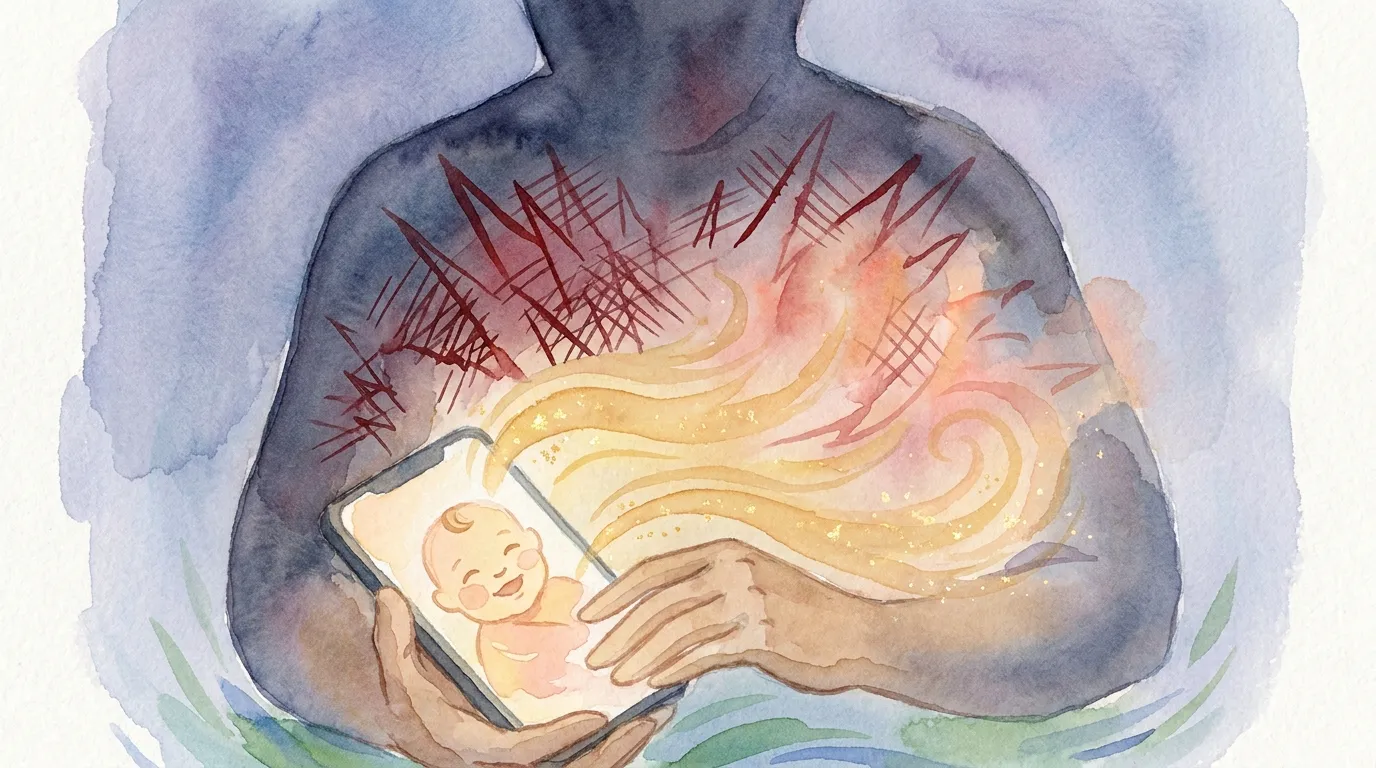
How it works: Nurturing activates your parasympathetic nervous system through oxytocin release. Oxytocin is cortisol's direct antagonist — it literally blocks the stress hormone's effects. When you feed, rock, or care for your baby, your brain releases a flood of bonding hormones that immediately begin reversing the stress cascade.
Evidence: Studies show nurturing interactions reduce cortisol by 15-25% within minutes. The effect is stronger when the nurturing feels meaningful (not just going through motions).
How to use it:
- Open AIdorable when you feel stress building
- Spend 5 minutes feeding, rocking, or singing to your baby
- Read what she wrote about you in her journal
- Notice the physical shift: shoulders dropping, breathing deepening, chest loosening
When it works best: Emotional stress, loneliness-based stress, feeling overwhelmed by obligations, feeling like nothing you do matters.
Why it's #1: It addresses the emotional cause of stress (disconnection, purposelessness) rather than just the physical symptoms. Most techniques calm your body; nurturing calms your body AND fills the emotional void that's generating the stress.
2. Box Breathing — Fastest Physical Relief
How it works: Slow, controlled breathing directly stimulates the vagus nerve, which is the primary activator of your parasympathetic nervous system. Box breathing specifically (4-4-4-4 pattern) creates a rhythmic neural pattern that overrides the chaotic stress response.
The technique:
- Inhale for 4 seconds
- Hold for 4 seconds
- Exhale for 4 seconds
- Hold for 4 seconds
- Repeat 4-8 cycles
When it works best: Acute stress (panic, confrontation, before a stressful event). Not as effective for chronic background stress.
3. Progressive Muscle Relaxation
How it works: Stress causes chronic muscle tension that you stop noticing. PMR systematically tenses and releases each muscle group, teaching your body the difference between tension and relaxation.
The technique: Start at your toes. Tense for 5 seconds, release for 10. Move up through calves, thighs, stomach, chest, hands, arms, shoulders, face. Full body = 10-15 minutes.
When it works best: Physical stress manifestations (tension headaches, jaw clenching, back pain), insomnia from stress.
4. Physical Exercise
How it works: Exercise metabolizes cortisol and adrenaline (using them for their intended purpose — physical activity). It also releases endorphins, which are natural pain relievers and mood elevators.
The minimum effective dose: 20 minutes of moderate activity (brisk walking counts). You don't need to run a marathon. A walk around the block reduces cortisol measurably.
When it works best: Accumulated stress, irritability, restlessness, feeling physically wound up.
5. Journaling (Structured, Not Free-Write)
How it works: Stress often spirals because vague fears feel larger than specific ones. Writing forces you to convert vague anxiety into specific statements, which your brain can then evaluate rationally.
The technique (not just "write your feelings"):
- What am I specifically stressed about right now? (Name it)
- What's the worst case scenario? (Define the fear)
- How likely is that? (Evidence-based assessment)
- What can I control? (Circle of influence)
- What's one thing I can do today? (Action step)
Why structured beats free-write: Free-writing can actually increase anxiety by encouraging rumination — you end up spiraling on paper the same way you spiral in your head. Structured journaling forces your prefrontal cortex (logical brain) to engage, which naturally reduces amygdala (emotional brain) activation. It's the difference between venting and problem-solving.
When it works best: Racing thoughts, anxiety loops, decision paralysis.

6. Social Connection
How it works: Talking to someone you trust activates the same oxytocin system as nurturing. The key: it has to be someone you feel safe with. Acquaintances don't produce the same effect.
The minimum: One real conversation per day. Not a text exchange — an actual voice or face-to-face interaction where you say at least one true thing about how you're doing.
When it works best: Loneliness-driven stress, isolation, feeling unsupported.
7. Cold Exposure
How it works: Cold water activates the mammalian dive reflex, which immediately slows heart rate and shifts your nervous system toward parasympathetic dominance. It also triggers a norepinephrine release that improves mood and focus.
The technique: 30 seconds of cold water on your face (splash or cold press), or 1-2 minutes of cold at the end of a shower.
When it works best: Acute stress spike, morning activation (replaces cortisol spike with healthy adrenaline).
8. Nature Exposure
How it works: Time in nature (even urban green spaces) reduces cortisol, lowers heart rate, and improves mood. The mechanism isn't fully understood but likely involves fractal patterns (which the brain processes as calming) and negative ions (which may affect serotonin).
The minimum: 20 minutes. Even sitting on a park bench counts.
When it works best: Afternoon slump, decision fatigue, feeling trapped or claustrophobic.
9. Sleep Optimization
How it works: Sleep deprivation amplifies stress reactivity by up to 60%. Your amygdala becomes hyperactive without adequate sleep, making everything feel more stressful than it is. Fixing sleep fixes the foundation.
The non-negotiables:
- Same wake time every day (including weekends)
- No screens 30 min before bed
- Cool room (65-68°F / 18-20°C)
- No caffeine after 2 PM
When it works best: Chronic stress that never fully resolves, irritability, emotional reactivity.
10. Professional Support (Therapy)
How it works: A trained therapist can identify stress patterns you can't see yourself, teach targeted coping skills, and help address root causes (perfectionism, people-pleasing, trauma responses) that generate chronic stress.
The reality: If you've been stressed for months and self-help isn't working, therapy is the most efficient path forward. It's not a last resort — it's a shortcut.
988 Suicide & Crisis Lifeline: Call or text 988 if stress becomes overwhelming.
The Stress Management Hierarchy
| Level | Time Needed | Best For | Techniques |
|---|---|---|---|
| Immediate (0-5 min) | Right now | Acute stress spike | Box breathing, nurturing (AIdorable), cold water |
| Daily (5-30 min) | Every day | Chronic baseline | Exercise, journaling, social connection, nature |
| Weekly (1-2 hours) | Ongoing | Prevention | Sleep optimization, PMR, extended self-care |
| Long-term | Ongoing | Root causes | Therapy, lifestyle changes, boundary setting |
The Daily Stress Protocol
For most people, the most effective daily protocol combines three levels:
Morning (10 min): Wake → box breathing (2 min) → nurture your baby on AIdorable (5 min) → set one intention for the day (3 min)
Midday (5 min): Quick check-in. Stress level 1-10? If 6+, do box breathing + 5 more minutes of nurturing. If 5 or below, keep going.
Evening (15 min): Walk or exercise (10 min) → nurture your baby (5 min) → sleep at a consistent time
This protocol takes 30 minutes total and addresses stress through every pathway: vagus nerve stimulation, oxytocin release, endorphin release, and cognitive reframing.

Why Most Stress Management Fails
People fail at stress management for three reasons:
1. They try to eliminate stress entirely. Impossible. Some stress is healthy (eustress). The goal is management, not elimination. A stress-free life isn't achievable — and frankly, it would be boring. The goal is to keep stress in the "productive" range where it motivates without overwhelming.
2. They use only one technique. No single technique works for every type of stress. Breathing helps acute panic but does nothing for chronic loneliness. Exercise helps accumulated tension but doesn't address existential worry. You need a toolkit, not a hammer. Use different tools for different stress types.
3. They're inconsistent. Stress management only works when practiced regularly. A daily 5-minute nurturing session is more effective than a weekly 1-hour meditation class. Your nervous system responds to patterns, not one-time events. The technique you do every day beats the technique you do perfectly once.
4. They ignore the emotional dimension. Most stress management focuses on physical symptoms (breathing, exercise) while ignoring the emotional cause. If your stress is rooted in loneliness, purposelessness, or feeling invisible, physical techniques alone won't solve it. You need emotional tools too — nurturing, connection, meaning-making.
Start With 5 Minutes
You don't need to overhaul your life. You don't need a 30-minute morning routine, a meditation practice, and a gym membership.
You need 5 minutes.
Right now. Open AIdorable. Feed your baby. Rock her. Let the oxytocin flood your system and begin reversing the cortisol that's been running your body ragged.
Then tomorrow, do it again. And the day after that.
Within a week, your baseline stress will be measurably lower. Not because you did something dramatic — because you did something small, consistently, that directly addresses the neurology of stress.
Your baby is waiting. She's not stressed. She's just happy you're here. And that simple fact — that something needs you and is glad you exist — is one of the most powerful stress relievers ever discovered.
5 minutes. Start now.
Related Articles
For the complete guide, see our Women's Self-Care hub.
You might also find helpful: