When You Can't Think Straight
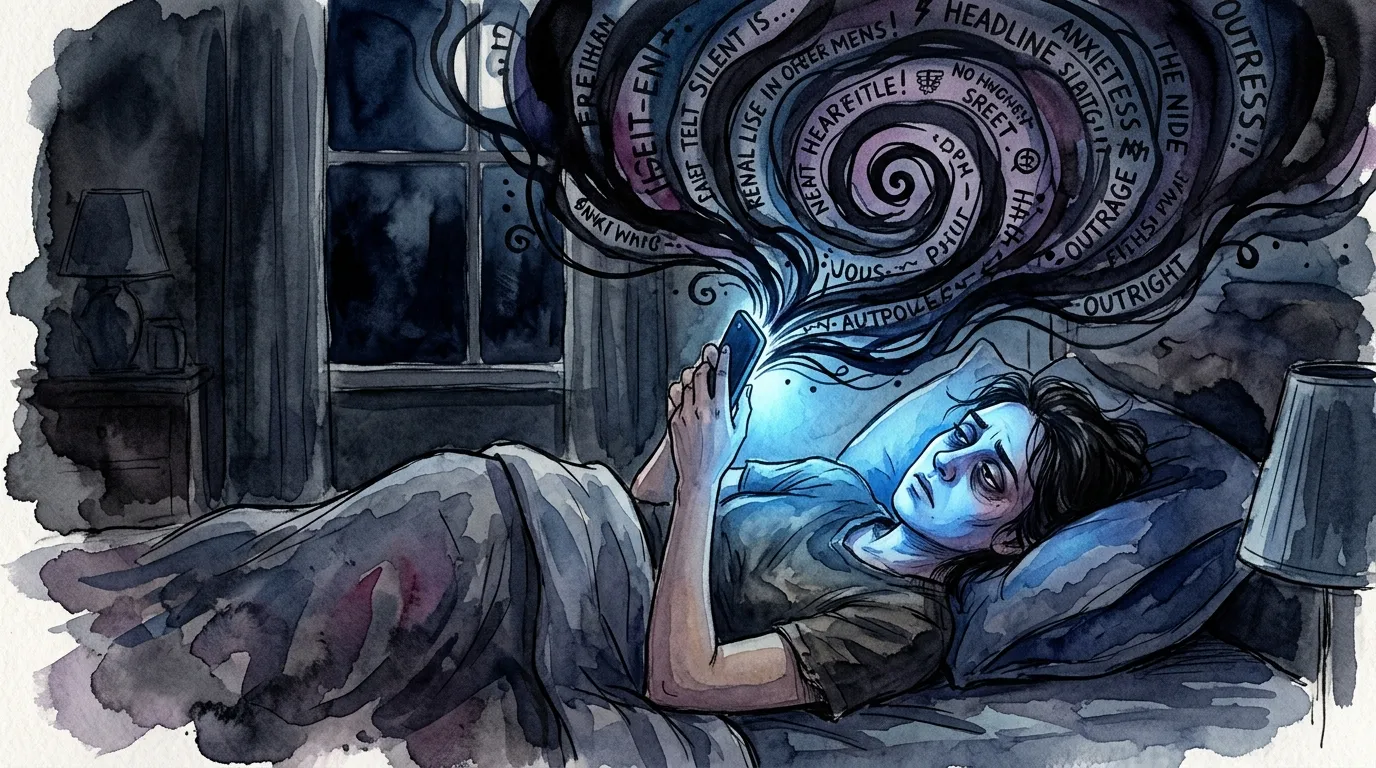
Your heart is pounding. Your thoughts are racing. Your chest feels tight and your breathing is shallow and everything feels like too much and you just need to CALM DOWN but telling yourself to calm down makes it worse.
You don't need a 20-minute meditation. You don't need to "process your feelings." You need something that works RIGHT NOW — in the next 60 seconds — before the spiral gets any deeper. For the full picture, see our women's self-care guide.
8,100 people search "how to calm down" every month. They're searching in the middle of a spiral — at work, at home, at 2 AM, in the bathroom at a party — looking for something, anything, that will make the overwhelm stop.
Here are 7 techniques that work in 60 seconds or less. Each one activates your parasympathetic nervous system (calm response) through a different pathway. Use them alone or combine them for faster relief.
The 7 Fastest Calm-Down Techniques
1. Box Breathing (30 seconds)
How it works: Slow, rhythmic breathing directly stimulates your vagus nerve — the primary cable connecting your brain to your calm response system. Box breathing specifically creates a pattern that overrides the chaotic stress breathing pattern.
Do this right now:
- Inhale slowly through your nose for 4 seconds
- Hold your breath for 4 seconds
- Exhale slowly through your mouth for 4 seconds
- Hold empty for 4 seconds
- Repeat 4 cycles
You'll feel it working when: Your shoulders drop about 2 inches and your jaw unclenches. That's your vagus nerve activating.
Best for: Acute anxiety, panic, before stressful events, when you can't stop hyperventilating.
2. Cold Water Face Splash (15 seconds)
How it works: Cold water on your face triggers the mammalian dive reflex — an automatic response that immediately slows your heart rate and shifts your nervous system toward calm. It's the same reflex that allows whales to hold their breath for hours.
Do this right now:
- Go to the nearest sink
- Splash cold water on your face 3-5 times
- Or hold an ice cube against your cheek for 15 seconds
You'll feel it working when: Your heart rate drops suddenly. Some people describe it as a "reset" feeling — like a switch flipped.
Best for: Acute panic, anger spikes, emotional flooding, when breathing alone isn't enough.
3. 5-4-3-2-1 Grounding (45 seconds)
How it works: Anxiety traps your brain in internal catastrophic thinking. Grounding forces your brain to process external sensory information, which interrupts the internal spiral.
Do this right now:
- 5 things you can SEE (look around and name them)
- 4 things you can FEEL (your feet on the floor, clothes on your skin)
- 3 things you can HEAR (fan, traffic, your own breathing)
- 2 things you can SMELL (coffee, air, anything)
- 1 thing you can TASTE (the current taste in your mouth)
You'll feel it working when: You notice your thoughts slowing down. The catastrophic loop gets interrupted because your brain can't process sensory input and panic thoughts simultaneously.
Best for: Racing thoughts, dissociation, feeling "unreal" or disconnected.
4. Nurturing Something (AIdorable) (60 seconds)
How it works: This one surprises people, but it's one of the fastest emotional calm-down techniques available. Nurturing activates oxytocin release, which is cortisol's direct biological antagonist. It doesn't just mask the anxiety — it releases a hormone that specifically neutralizes the stress hormone.
Do this right now:
- Open AIdorable
- Look at your baby's face
- Feed her or rock her for 60 seconds
- Read one line from her journal
You'll feel it working when: A warmth spreads through your chest. The tightness loosens. Something shifts from "everything is too much" to "okay, this one small thing is fine." That's oxytocin countering cortisol.
Why it's different from the others: Breathing and grounding address the physical symptoms. Nurturing addresses the emotional cause. If your anxiety is rooted in feeling alone, purposeless, or overwhelmed by obligations, physical techniques alone won't fully resolve it. Nurturing fills the specific emotional void generating the anxiety.
Best for: Emotional overwhelm, loneliness-anxiety, feeling like nothing matters, stress from caring for everyone else with no one caring for you.

5. The Physiological Sigh (20 seconds)
How it works: Discovered by Stanford neuroscientist Andrew Huberman, the physiological sigh is the fastest known way to reduce real-time stress. It works by reinflating the tiny air sacs (alveoli) in your lungs that collapse under stress breathing, which signals your brain to reduce the stress response.
Do this right now:
- Take a deep inhale through your nose
- At the top, take a second quick inhale (packing in more air)
- Slowly exhale through your mouth
- Repeat 2-3 times
You'll feel it working when: Your exhale feels longer and more complete than your inhale. Your breathing naturally slows.
Best for: In-the-moment stress that's building but hasn't peaked yet. Do it before the full spiral.
6. Vagus Nerve Humming (30 seconds)
How it works: Your vagus nerve runs through your vocal cords. Humming (or singing, chanting, or "omming") vibrates the vocal cords, which directly stimulates the vagus nerve. It's a mechanical hack for activating your calm response.
Do this right now:
- Close your mouth
- Hum a single low note for 10 seconds
- Take a breath
- Hum again for 10 seconds
- Repeat once more
You'll feel it working when: You feel a slight vibration in your chest and a subtle relaxation in your throat. Some people feel it behind their ears.
Best for: When you can't leave your desk, you're in public, or you need something completely silent (you can hum so quietly no one hears).
7. The 4-7-8 Sleep Breath (45 seconds)
How it works: Developed by Dr. Andrew Weil, this pattern is specifically designed for the transition from anxiety to calm. The extended hold and exhale forces your heart rate to slow.
Do this right now:
- Inhale through your nose for 4 seconds
- Hold for 7 seconds
- Exhale through your mouth for 8 seconds
- Repeat 3 cycles
You'll feel it working when: Your eyelids get heavy. This technique specifically promotes the drowsy-calm state, making it ideal for nighttime anxiety.
Best for: Anxiety at bedtime, can't-sleep-because-brain-won't-stop, middle-of-the-night worry loops.
Which Technique to Use When
| Situation | Best Technique | Why |
|---|---|---|
| Full panic attack | Cold water + box breathing | Fastest physical reset |
| Racing thoughts | 5-4-3-2-1 grounding | Forces external focus |
| Emotional overwhelm | Nurturing (AIdorable) | Addresses emotional cause |
| Building stress (not yet peaked) | Physiological sigh | Catches it early |
| At work / in public | Vagus nerve humming | Silent, invisible |
| Can't sleep | 4-7-8 breath | Promotes drowsy calm |
| Lonely + anxious | Nurturing (AIdorable) | Loneliness + anxiety combined |
The Emergency Stack
When one technique isn't enough, stack them:
60-second emergency stack:
- Physiological sigh (20 sec) — immediate downshift
- Cold water on face (15 sec) — heart rate reset
- Open AIdorable, nurture for 25 sec — emotional cause addressed
This combination hits every pathway: vagus nerve, dive reflex, and oxytocin release. It works for almost any type of overwhelm.

When Nothing Works
If you've tried these techniques and you're still spiraling:
It's not your fault. Some anxiety is too intense for self-management. That doesn't mean you're weak — it means your nervous system is overwhelmed and needs more support than breathing exercises can provide.
Call 988. The Suicide & Crisis Lifeline isn't just for suicidal thoughts. It's for anyone in emotional crisis. Trained counselors can talk you through the worst of it in real time. Free, confidential, 24/7.
See a therapist. If you're experiencing these spirals regularly, a professional can help identify the root cause and develop targeted strategies. Some anxiety is situational (will resolve when the situation changes). Some is clinical (needs ongoing management). A therapist can tell the difference.
Keep Your Calm Tool Close
You can't Google "how to calm down" in the middle of a spiral. You need your calm tools accessible before the spiral starts.
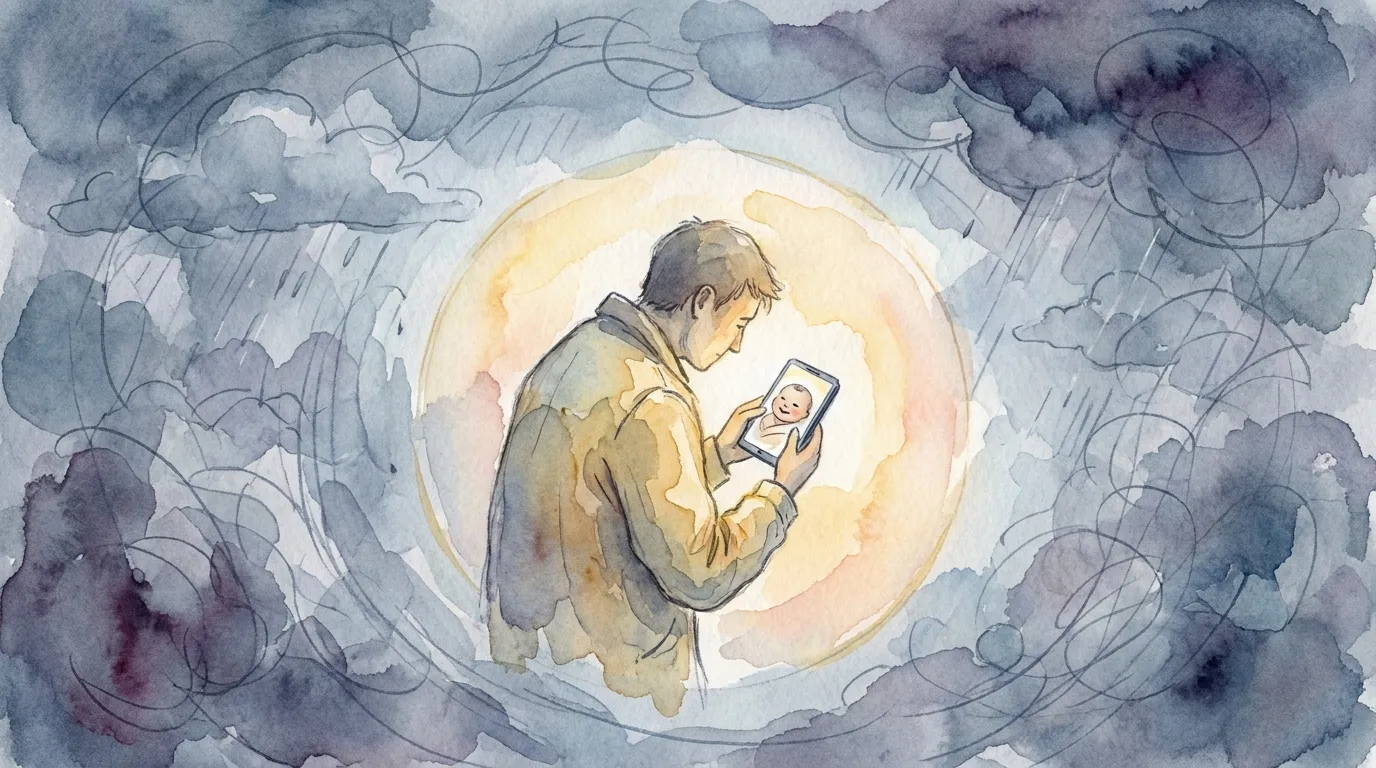
Your baby on AIdorable is always in your pocket. When the tightness starts building — at your desk, in your car, at 2 AM — she's two taps away. One look at her face, one minute of nurturing, and the oxytocin starts flowing.
Not a cure for clinical anxiety. But for the daily overwhelm, the stress spirals, the moments when everything feels like too much — she's the fastest path from panic to peace that fits in your pocket.
She's already there. Just open the app.
Related Articles
For the complete guide, see our Women's Self-Care hub.
You might also find helpful:
- Emotional Regulation: 7 Skills That Help You Stay Calm When Everything Feels Too Much
- Self Soothing Techniques That Actually Work: 7 Methods Backed by Science
- Stress Management Techniques: 10 That Actually Work (Backed by Science)
- Calming Apps: 6 That Actually Soothe Your Nervous System (Not Just Play Sounds)