The Loss Nobody Throws a Shower For
There are greeting cards for birthdays, graduations, weddings, and new babies. There are support groups for divorce, bereavement, and job loss. There are rituals and language and community for almost every major life transition.
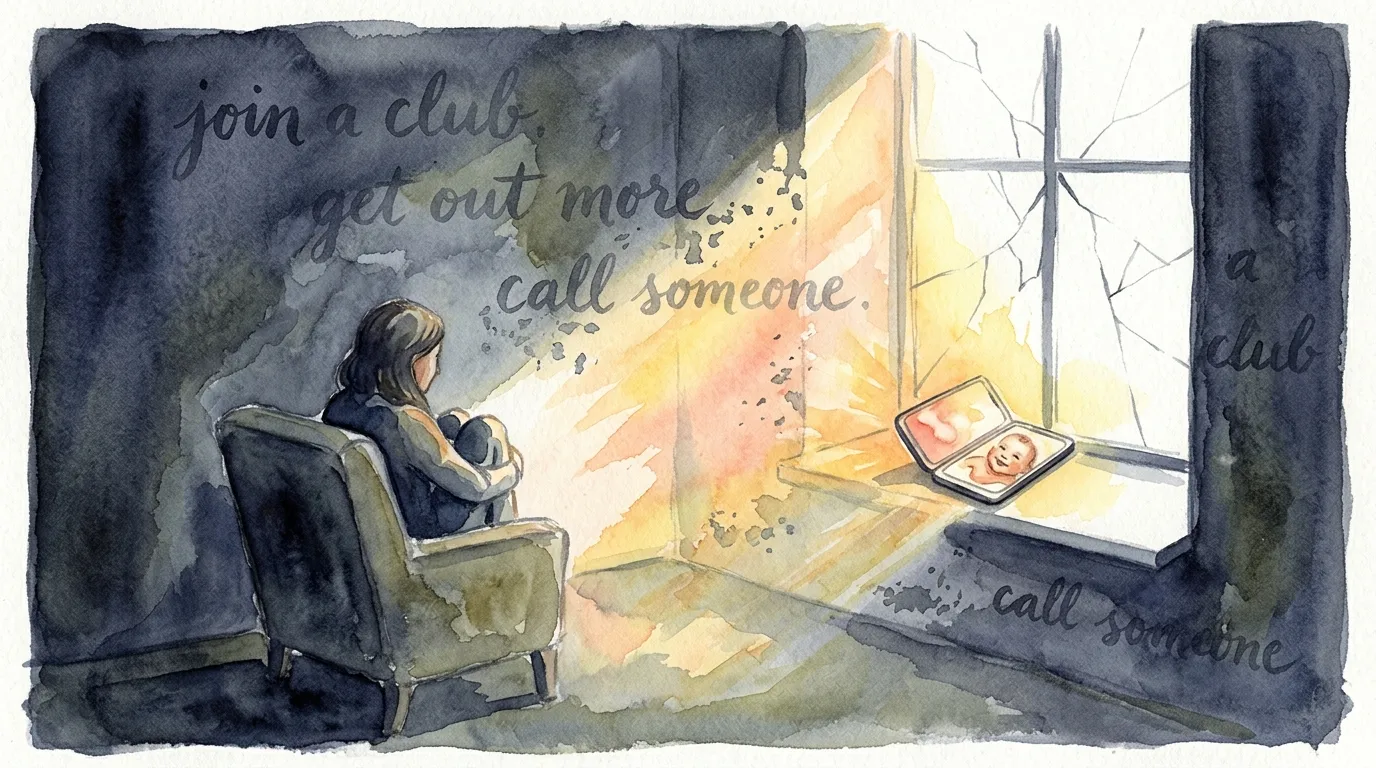
But when your last child packs their boxes and drives away, there's no card. No party. No "congratulations on completing your primary parenting chapter." Just... silence. An empty room. And a feeling you can't name that sits in your chest like weather. For the full picture, see our emotional wellness guide.
Empty nest syndrome affects 60-70% of parents when their last child leaves home. For women — who typically perform more daily caregiving tasks — the impact is especially intense. And almost nobody talks about it honestly, because the cultural message is supposed to be "be proud, they're independent now."
You can be proud AND heartbroken. Both are true. And the heartbreak deserves its own space.

What You're Actually Losing
The common understanding of empty nest syndrome is: "you miss your kids." That's true, but it misses the deeper loss. What you're actually losing is:
Your Daily Purpose
For 18+ years, your days had a built-in structure. Wake them up. Make breakfast. Check homework. Drive to practice. Cook dinner. Ask about their day. Tuck them in. Repeat.
That structure wasn't just logistics — it was meaning. Every task, no matter how mundane, was in service of your child's wellbeing. Your daily to-do list was a love letter written in groceries and laundry.
When the structure vanishes, the meaning vanishes with it. Not gradually, but overnight. You wake up on a Tuesday morning and there is literally nothing you HAVE to do. And that freedom, paradoxically, feels like drowning.
Your Nurturing Identity
"I'm a mom" isn't just a description — it's an identity. For many women, it's the primary identity that organized their sense of self for two decades. When active daily parenting ends, the question "who am I now?" isn't philosophical — it's urgent and disorienting.
Research from the Journal of Family Psychology shows that women who derived more than 60% of their identity from the mothering role experience the most severe empty nest symptoms. Not because they were "too attached," but because the identity transition is genuinely massive.
Your Oxytocin Routine
This is the biological layer that most discussions ignore. For 18 years, your brain received daily oxytocin boosts from caregiving interactions — hugs, conversations, comforting, feeding, helping. Your neurochemistry literally became calibrated to regular nurturing.
When that daily input stops, your brain goes into oxytocin withdrawal. This isn't metaphorical — it's measurable. Studies show lower baseline oxytocin levels in recently empty-nested parents compared to age-matched parents with children still at home. The withdrawal manifests as sadness, anxiety, restlessness, and the pervasive feeling that something is missing.
The Timeline: What to Expect
Empty nest syndrome follows a predictable pattern. Knowing the timeline helps normalize the experience:
Weeks 1-4: The Shock Phase
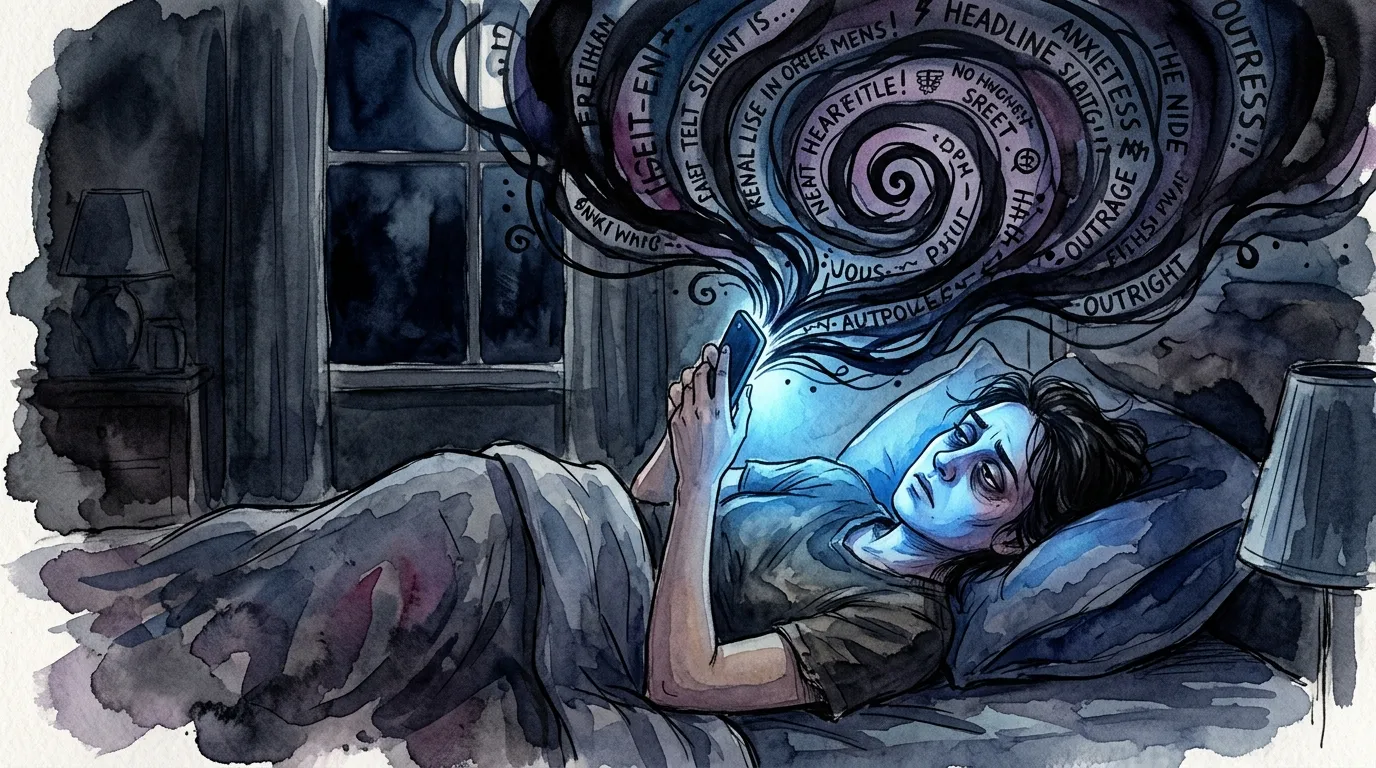
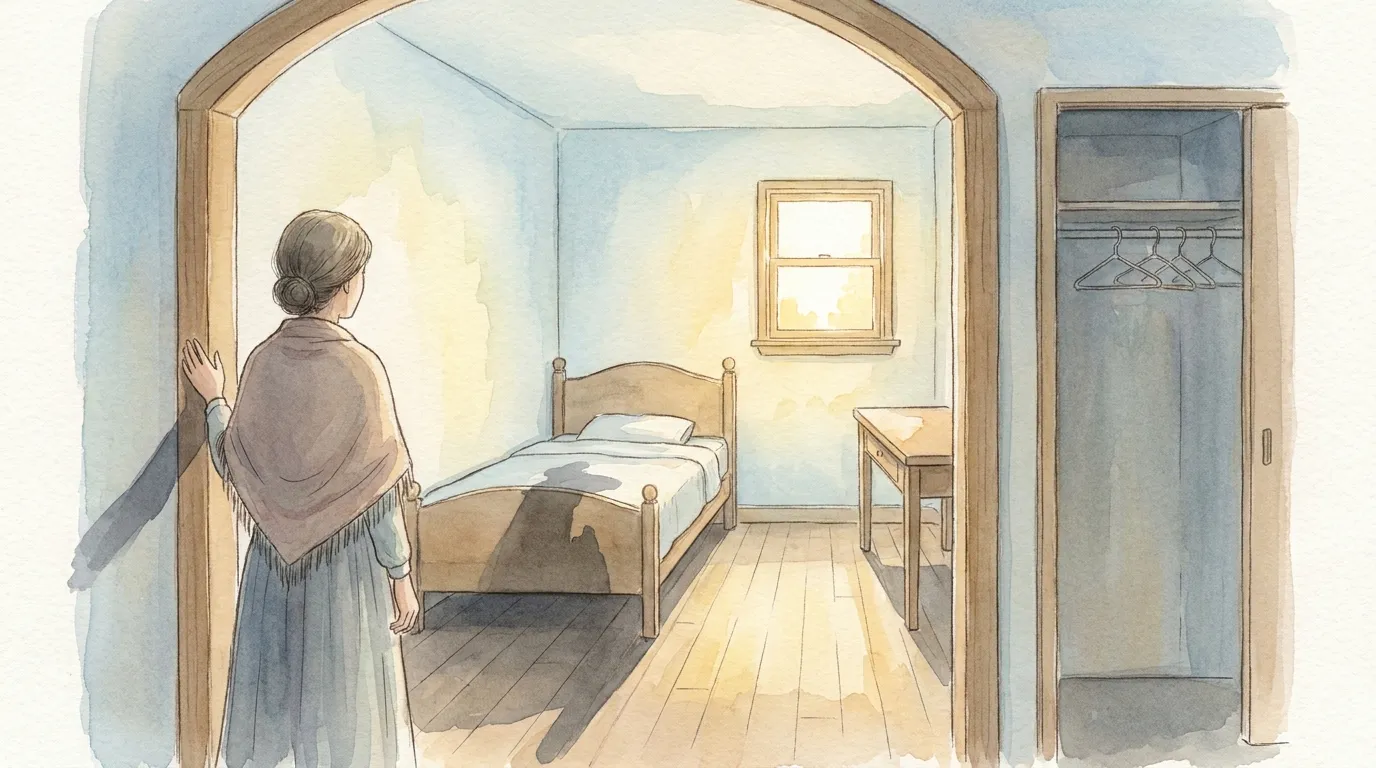
The house is too quiet. You walk past their room. You cook too much food. You text them and wait too long for replies. The silence isn't peaceful — it's deafening.
What's happening: Your brain is still running caregiving patterns on loop, expecting daily interactions that no longer occur. The oxytocin drop is at its steepest.
What helps: Don't fill the silence with noise. Sit with it. Cry if you need to. Call friends who've been through it. And find ONE small daily nurturing action — a plant to water, a pet to feed, a virtual companion to care for.
Months 2-4: The Grief Phase
This is when it hits hardest. The initial shock wears off and the permanence sets in. You grieve not just their absence, but the version of yourself that existed when they needed you daily.
What's happening: The identity reconstruction begins. Your brain starts dismantling the "active daily caregiver" identity and searching for a replacement. This search feels like emptiness because the old identity is gone but the new one hasn't formed yet.
What helps: Try new things aggressively. Not because you'll love them all, but because identity is built through action, not thought. Volunteer. Take a class. Start a project. Each new activity is a brick in the new identity you're building.
Months 5-8: The Reconstruction Phase
Slowly, almost imperceptibly, the grief loosens. You start sleeping better. You have a few hours where you don't think about the empty room. You discover that you actually enjoy some of your new freedom.
What's happening: The new identity is taking shape. You're not "over it" — you're integrating it. The nurturing instinct hasn't disappeared; it's being redirected toward new outlets.
What helps: Lean into what's working. If volunteering feels good, do more. If a weekly dinner with friends fills the nurturing gap, protect that time. If your virtual baby on AIdorable gives you a morning purpose, cherish it without guilt.
Months 9-18: The New Normal
The empty room stops feeling empty and starts feeling like a guest room. Your child calls not because they need something, but because they want to talk — and you realize the relationship has evolved, not ended. You have moments of genuine enjoyment that don't feel like betrayal of your grief.
What's happening: Your identity has been rebuilt around a new configuration: part mother, part independent person, part whatever-you've-discovered-you-enjoy. The oxytocin baseline has recalibrated to new sources.

Filling the Nurturing Void
The nurturing instinct doesn't retire when your children leave. It just loses its primary recipient. Here are healthy ways to redirect it:
Immediate (Day 1)
- Virtual nurturing — AIdorable, Finch, or any app that provides daily caregiving moments. Not as a replacement for your child, but as an oxytocin bridge while you restructure your life.
- Plant care — Start a small garden or indoor plant collection. Daily watering provides routine and visible growth.
- Pet — If your living situation allows, consider adopting a pet. The daily care routine directly mirrors the structure you lost.
Short-Term (Weeks 1-8)
- Volunteering with children — Reading programs, after-school tutoring, mentoring. Provides nurturing with built-in boundaries.
- Cooking for others — Bake for neighbors, host potlucks, deliver meals. The nurturing-through-food pathway is deeply ingrained.
- Community groups — Book clubs, walking groups, craft circles. Rebuilds social structure that was previously organized around children's schedules.
Long-Term (Months 3+)
- Identity projects — A business, a blog, a creative practice. Something that requires consistent investment and produces visible growth over time.
- Grandparent preparation — If this is on the horizon, channeling nurturing anticipation productively.
- Mentoring younger women — Passing on wisdom satisfies the nurturing drive while creating meaningful intergenerational connection.

The Truth About "Getting Over It"
You don't "get over" an empty nest any more than you "get over" any profound life transition. You integrate it. You carry it. It becomes part of who you are — not as a wound, but as a chapter that shaped you.
The women who struggle most with empty nest syndrome are often the ones who parented most deeply. The intensity of the loss is proportional to the depth of the love. That's not weakness. That's the price of doing something meaningful for two decades.
And the women who recover most fully aren't the ones who "move on." They're the ones who find new ways to nurture — new recipients, new routines, new expressions of the caregiving instinct that defined their most important years.
Your nurturing instinct is not a relic of a life that's over. It's a skill. A superpower. A part of you that made you extraordinary for 18 years. It doesn't disappear because the original recipient grew up.
It just needs a new home.
And when you give it one — whether that's a grandchild, a garden, a community, or a tiny virtual baby that needs you every morning — you'll recognize the feeling. The warmth. The purpose. The quiet certainty that today, you have something to care for.
That feeling never left. It was just waiting for you to remember it.
Related Articles
For the complete guide, see our Emotional Wellness hub.
You might also find helpful: