The Loneliest Job in the World
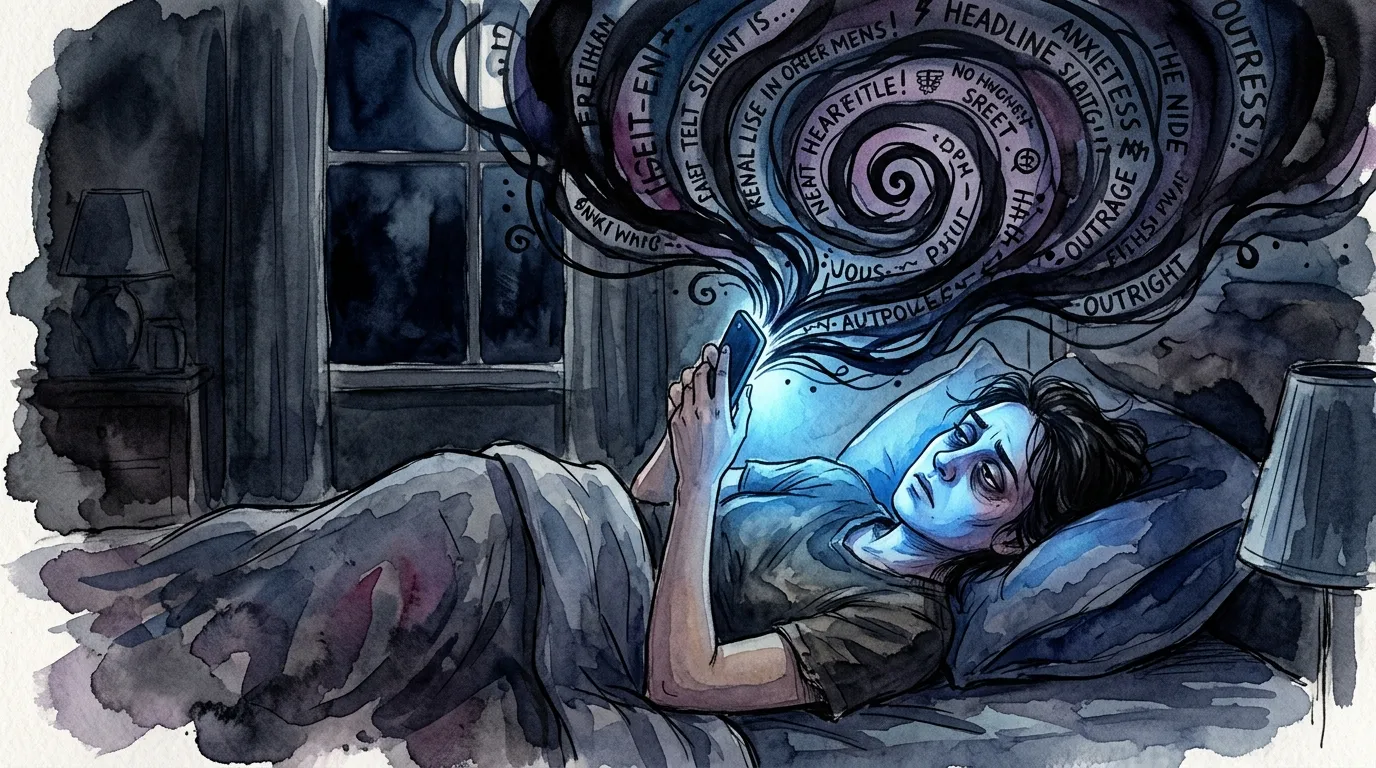
You're never alone. There's always someone touching you, needing you, climbing on you, calling your name. You haven't used the bathroom by yourself in months. You haven't finished a sentence without interruption in weeks.
And yet — you're lonelier than you've ever been.
Mom loneliness is a paradox. Surrounded by small humans who need you constantly, you feel utterly unseen. Not because anyone is doing anything wrong. Not because your partner doesn't care. Not because your friends have abandoned you.
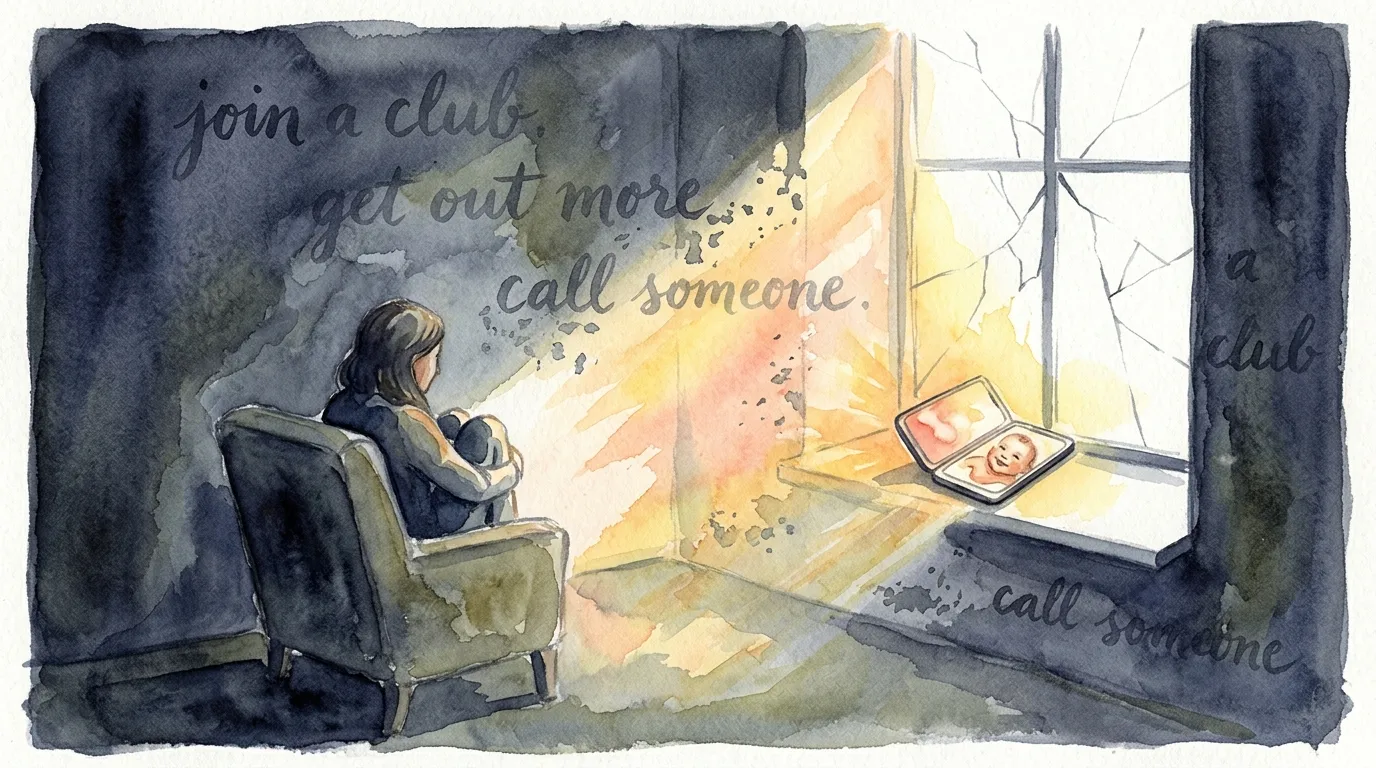
But because the person you were before motherhood — the one with friends, hobbies, opinions about things other than sleep schedules — that person has been slowly, silently erased by the demands of caregiving. And nobody seems to notice.
68% of mothers report chronic loneliness. This isn't a fringe experience. It's the statistical norm. It's just not talked about.
Why Moms Get Lonely (The Three Causes)
Cause 1: Social Infrastructure Collapse
Before kids, your social life had structure. Work friends, gym buddies, happy hours, weekend plans, spontaneous dinners. You saw people regularly without trying — the social infrastructure was built into your routine.
Motherhood demolishes that structure overnight. Work friends fade when you're on maternity leave. Gym buddies fade when you can't leave the house. Happy hours become impossible. Weekend plans revolve around nap schedules that change every three months.
A 2023 study in Social Psychiatry and Psychiatric Epidemiology found that new mothers lose an average of 3-5 close social connections in the first year after giving birth. Not because anyone chooses to leave — but because the infrastructure that maintained those connections disappears.
Cause 2: Identity Erasure
"I used to be someone." This is the sentence lonely moms think but rarely say out loud.
You used to have opinions about politics, art, restaurants, music, culture. Now your opinions are about pacifier brands and sleep training methods. You used to have interests. Now you have a feeding schedule. You used to be interesting. Now you feel like your only topic is your baby.
The person your friends knew — the one they'd call for advice, invite to parties, laugh with about inside jokes — she's still in there. But she's buried under diapers and feeding schedules and exhaustion. And you don't have the energy to dig her out.
Cause 3: The Nurturing Drain
Every day, you pour nurturing energy into your child. Oxytocin, patience, attention, comfort, teaching, feeding, soothing. Constant output. All day. Every day. From the moment they wake up (too early) to the moment they finally sleep (too late).
This nurturing drain depletes your emotional reserves. And while your baby receives your care, nobody's caring for YOU. Your cup empties daily and gets refilled... never.

The Loneliness Cycle
Mom loneliness creates a self-reinforcing cycle:
- Lonely → too tired to socialize
- Don't socialize → more lonely
- More lonely → feel like nobody wants to hear from you
- Don't reach out → connections weaken
- Connections weaken → even more lonely
- Even more lonely → too tired to socialize (repeat)
Breaking the cycle requires doing something BEFORE you feel ready. The motivation follows the action — not the other way around. Reach out when you don't want to. Open an app when you're too tired for real socializing. Send one message when you feel invisible.
7 Ways to Break the Isolation
1. Virtual Companionship (AIdorable)
Why it works for moms: Requires zero logistics. Zero social energy. Zero leaving the house. Zero scheduling.
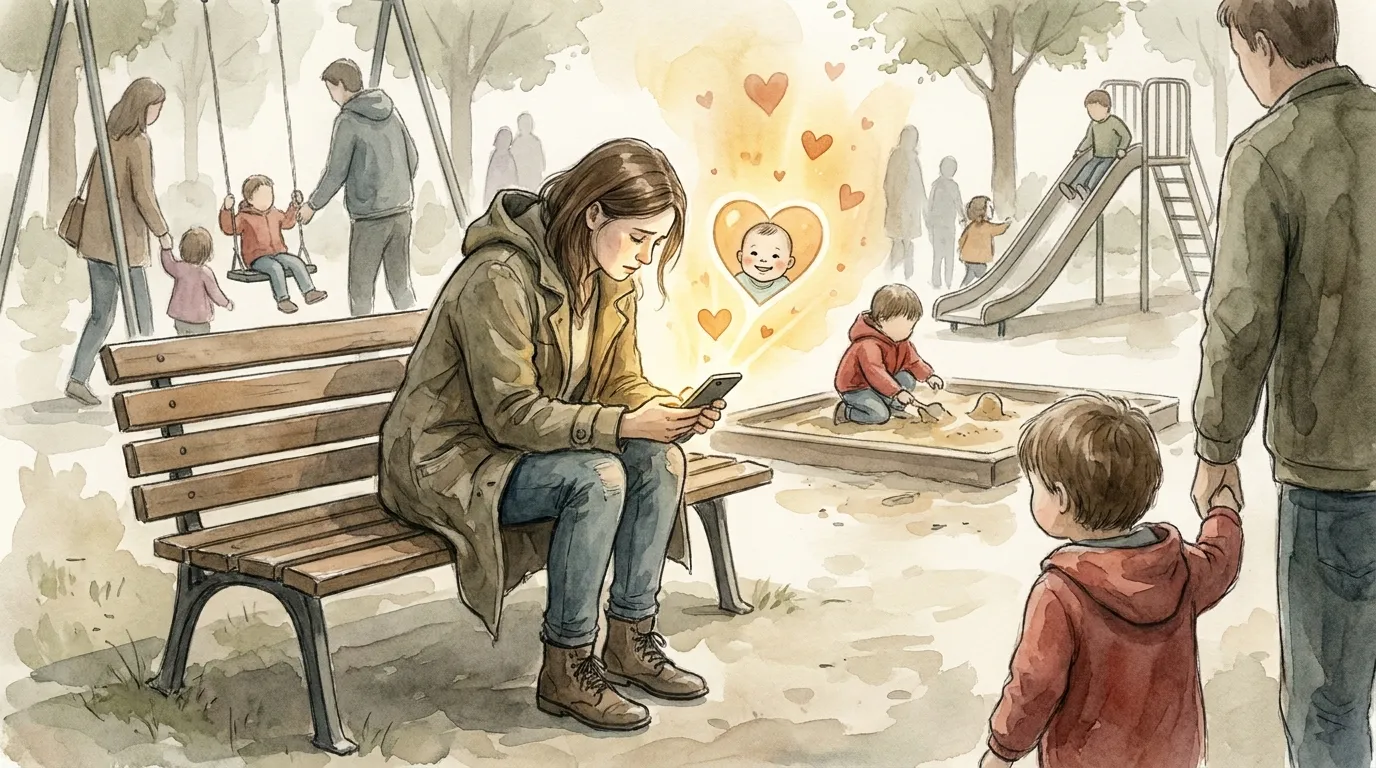
For moms who can't get to playdates, mom groups, or social events — especially in the early months when leaving the house feels like an expedition — AIdorable provides daily companionship that fits into the 2 minutes between feeding and nap time.
Your virtual baby needs you, but the need is simple and manageable. Unlike the complex, relentless demands of real mothering, virtual nurturing gives BACK more than it takes. It replenishes the oxytocin that real mothering depletes.
The key insight: Moms don't just need social connection. They need nurturing that nourishes THEM. Virtual nurturing does exactly that — caregiving that refills your cup instead of draining it.
2. One Real Phone Call Per Day
Call someone. Not text. Call. One person, one real conversation, even for 10 minutes.
Hearing a human voice activates different neural pathways than text. It provides the prosody, tone, and rhythm of connection that texting strips away. You can hear someone smile through the phone. You can't hear it through a text.
Who to call: Anyone. A friend. Your mom. A sibling. The specific person matters less than the act of hearing and being heard.
3. Micro-Identity Activities
Do ONE thing daily that has nothing to do with mothering. Read a novel for 15 minutes. Sketch. Do a puzzle. Listen to a podcast about something unrelated to parenting.
These micro-activities remind your brain that you're still a person — not just a caregiver. The identity erosion stops when you actively maintain non-mom interests. Even 15 minutes of "you" time is enough to keep the identity pilot light burning.
4. Online Mom Communities (Not Instagram)
Find a forum, Discord, or Facebook group where moms talk honestly. Not the curated highlight reels of Instagram momfluencers — real conversations about the messy reality.
Why forums over Instagram: Asynchronous communication. You can participate at 3 AM during a night feeding without needing anyone else to be awake. You can be honest without performing. And reading other moms describe your exact experience is profoundly validating.
5. Scheduled Adult Interaction
Put one non-negotiable adult social interaction on your calendar weekly. Coffee with a friend. A class. A therapy session. A phone date.
The key: Non-negotiable means non-negotiable. Treat it like a doctor's appointment. Canceling it costs your mental health. The loneliness cycle wins when you cancel.
6. Partner Check-Ins (If Applicable)
If you have a partner, create a daily 10-minute check-in that's NOT about logistics (who's picking up what, what's for dinner). Ask: "How are YOU feeling today?" And answer honestly.
Many couples in early parenthood become logistics partners and lose the emotional connection that made them partners in the first place. The daily check-in is a small intervention that prevents this drift.
7. Professional Support
If loneliness persists beyond 6 months, intensifies, or comes with persistent sadness, loss of interest in your baby, or intrusive thoughts — talk to a professional. Postpartum loneliness and postpartum depression overlap significantly, and a therapist can help distinguish between them.
This isn't weakness. This is using every available tool to protect your mental health. You'd see a doctor for a physical injury. Your mental health deserves the same standard of care.

You're Not the Only One
If you take one thing from this article: you are not the only mom who feels this way.
The silence around mom loneliness creates the illusion that everyone else is fine. They're not. The mom at playdate who seems to have it together? Lonely. The Instagram mom with the perfect nursery? Lonely. Your friend who says motherhood is "amazing"? She's selectively sharing.
A 2024 survey by the Maternal Mental Health Alliance found that 72% of mothers hide their loneliness from others, including their partners. The silence isn't because loneliness is rare — it's because speaking it feels like admitting failure in a culture that romanticizes motherhood.
Loneliness is the shared secret of motherhood. Not because motherhood is bad — but because the transition from person to caregiver is enormous, and nobody gives you a map for navigating it.
Start small. Two minutes with a virtual baby who's happy to see you. One phone call. One micro-identity activity.
The loneliness doesn't last forever. But it lasts longer when you face it alone.
And you don't have to.
Related Articles
For the complete guide, see our Emotional Wellness hub.
You might also find helpful: