Loneliness Isn't What You Think It Is
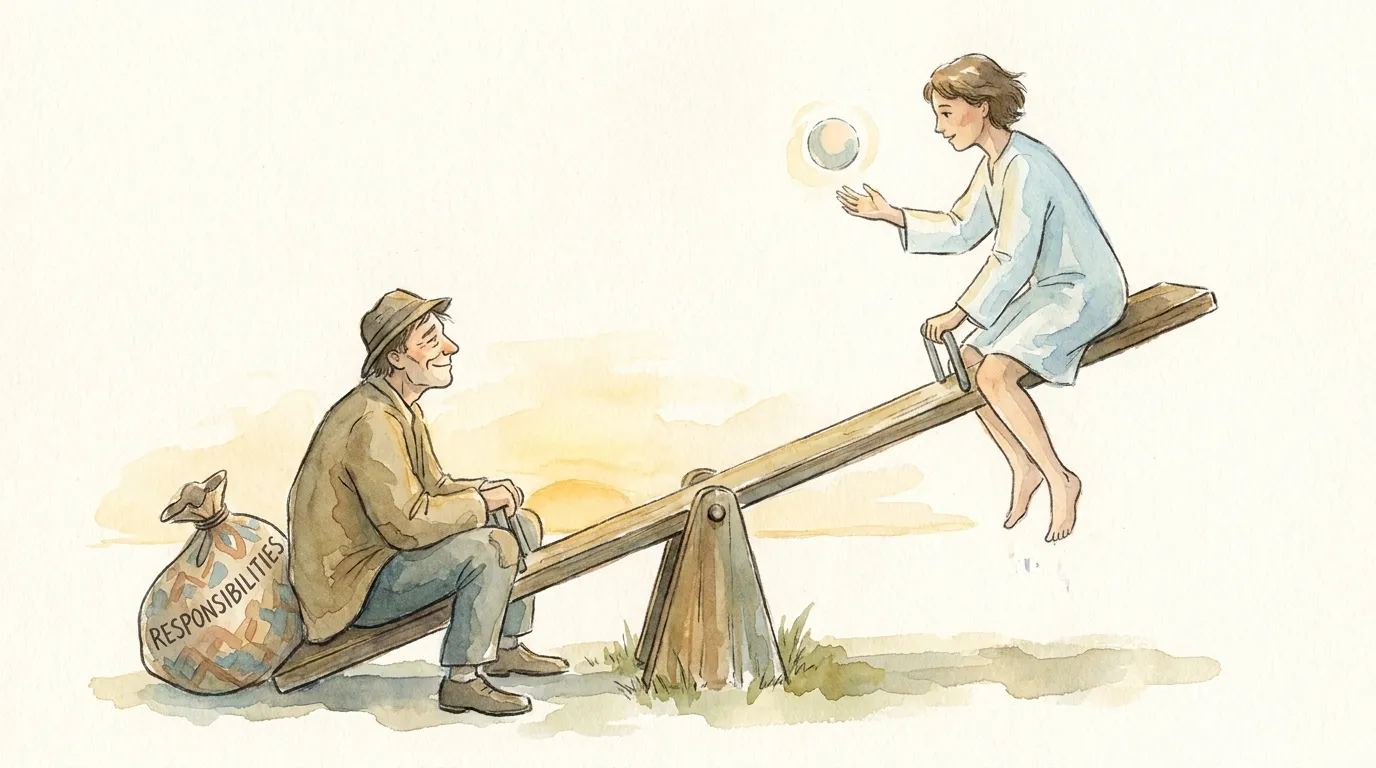
Most people think loneliness means "nobody is around." That's wrong.
Loneliness is the feeling that nobody truly sees you. You can be married, have 500 friends on social media, work in a busy office, and still feel utterly alone if the connections feel superficial. For the full picture, see our emotional wellness guide.
Loneliness is also not a weakness. It's a physiological signal — like hunger or thirst — that tells your brain something critical is missing. The loneliness "ache" evolved to motivate humans to seek connection, because isolated humans didn't survive. Your loneliness isn't a character flaw. It's a 200,000-year-old survival system working exactly as designed.
The problem: modern life has outpaced evolution. We're more "connected" than ever (phones, social media, video calls) and more lonely than ever (loneliness epidemic declared in multiple countries).
Here are 7 strategies that actually work, ranked by speed and evidence.
Strategy 1: Nurture Something (Fastest Relief)
Speed of relief: 2-5 minutes Evidence level: Strong (multiple studies, measurable cortisol/oxytocin changes)
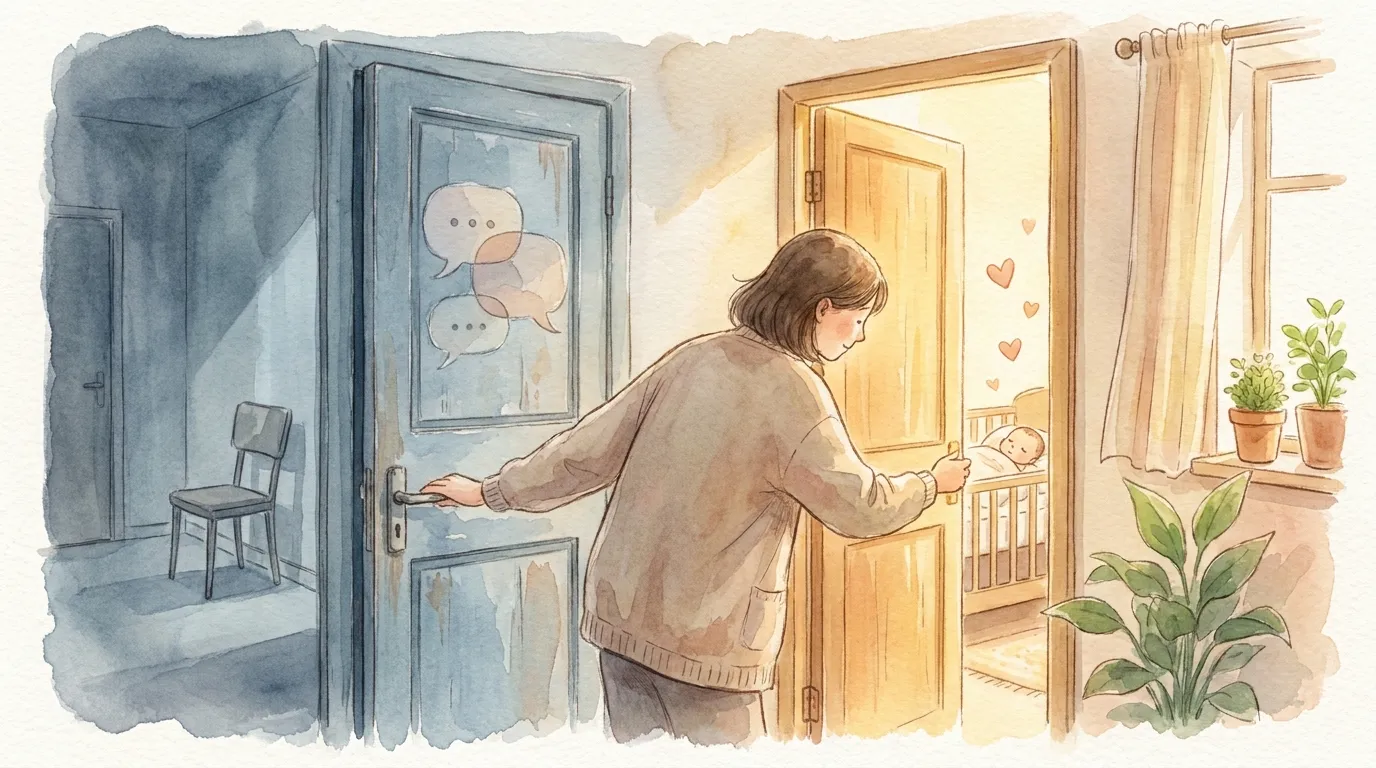
The fastest way to deactivate the loneliness signal is to activate your caregiving system. When you nurture something — feed a pet, water a plant, care for a virtual baby — your brain releases oxytocin, which directly counteracts the stress hormone pattern of loneliness.
This works because loneliness and caregiving are neurological opposites. Loneliness activates the threat-detection system (you're isolated, vulnerable, unsafe). Caregiving activates the bonding system (you're needed, capable, connected). They can't both be fully active simultaneously.
How to use it:
- Keep a plant on your desk and water it when loneliness hits
- Feed your virtual baby on AIdorable (2 minutes, immediate oxytocin release)
- Volunteer at an animal shelter (nurturing with social bonus)
- Offer to pet-sit for a friend
Why it works better than calling a friend: Friends aren't always available at 2 AM or during a lonely Tuesday lunch. Nurturing is available on demand and doesn't require coordination, reciprocity, or social energy.
Strategy 2: The 10-Minute Real Conversation
Speed of relief: 10-30 minutes Evidence level: Strong
One 10-minute conversation where you feel genuinely heard reduces loneliness more effectively than 3 hours of casual socializing. Quality over quantity.
The formula: Call one person. Ask how they're really doing. Listen without waiting for your turn to talk. Share one real thing about your own state. That's it.
The trick: Most lonely people don't call because they "don't want to burden anyone." But research shows that people who receive genuine "how are you really?" calls feel flattered and valued, not burdened. The call reduces loneliness for BOTH people.

Strategy 3: Create a Daily Connection Anchor
Speed of relief: 2-3 days to establish Evidence level: Strong
Loneliness thrives in unstructured time. Build one reliable daily "connection anchor" — a consistent interaction that happens at the same time every day.
Examples:
- Morning: Care for your virtual baby (AIdorable) while drinking coffee
- Lunch: Text one friend a photo of your meal with a real question
- Evening: 5-minute phone call with a family member
- Night: Write in a journal or read to your virtual baby
The anchor doesn't need to be human. The key is consistency — something that reliably happens every day at the same time, creating a rhythm of connection that your brain can count on.
Strategy 4: Join One Recurring Group
Speed of relief: 2-4 weeks Evidence level: Very strong
The most powerful long-term loneliness intervention is belonging to a group with shared identity. Not attending events. Not networking. Belonging.
The research is clear: people who identify as members of a group (book club, running team, volunteer crew, parenting circle) report 40% less loneliness than people with the same number of social contacts but no group identity.
Why identity matters: "I go to a book club" is an activity. "I'm a member of my book club" is an identity. The identity creates belonging, which is the antidote to loneliness.
How to start: Pick one thing. Show up consistently for 4 weeks. Consistency creates belonging faster than charisma.
Strategy 5: Help Someone Else
Speed of relief: Immediate during the act, lasting for hours Evidence level: Strong
Helping others activates the caregiving and reward systems simultaneously, producing both oxytocin and dopamine. It also creates immediate social connection and a sense of being valuable.
Quick options:
- Answer a question in an online community
- Help a neighbor carry groceries
- Volunteer for 2 hours at a food bank
- Compliment a stranger (genuinely)
- Send an encouraging text to someone going through a hard time
The paradox: the lonelier you feel, the less motivated you are to help others. But helping others is the fastest way out of the loneliness spiral. Push through the reluctance once, and the neurochemistry handles the rest.

Strategy 6: Limit Passive Social Media
Speed of relief: Noticeable within 3-5 days Evidence level: Very strong
Passive social media use (scrolling without interacting) increases loneliness by 12-15% per session. The mechanism: social comparison. Everyone else's curated highlight reel makes your unedited real life feel inadequate.
The fix isn't quitting social media. It's changing HOW you use it:
- Replace scrolling with creating. Post something instead of just consuming
- Replace likes with comments. Write genuine responses to friends' posts
- Replace passive following with DMs. Send a direct message to one person per day
- Set a 15-minute timer before opening any social app
Active social media use (creating, commenting, messaging) actually REDUCES loneliness. It's the passive consumption that makes it worse.
Strategy 7: Build a Loneliness Emergency Kit
Speed of relief: Immediate (you use pre-made tools) Evidence level: Practical (combines proven strategies)
Loneliness often hits hardest when you have the least energy to fight it. Create a "loneliness emergency kit" — a pre-made list of actions you can take when the feeling overwhelms you, so you don't have to think when thinking is hard.
Your kit should include:
- 1 nurturing action: Feed your virtual baby (AIdorable), water your plant, pet your cat
- 1 quick human connection: A text you can send to one of 3 pre-selected people
- 1 physical reset: Walk around the block, splash cold water, do 10 jumping jacks
- 1 comfort activity: A specific song, a specific show episode, a specific book chapter
- 1 reminder: A note to yourself that says "this feeling is temporary and you've survived it before"
Write this down when you're feeling good. Use it when you're not.
The Loneliness First-Aid Protocol
When loneliness hits hard RIGHT NOW, follow this sequence:
- Nurture something (2 minutes) — Feed virtual baby, water plant, pet animal
- Move your body (5 minutes) — Walk, stretch, do jumping jacks
- Text one person (1 minute) — "Thinking of you, how's your day?"
- Read your emergency kit (1 minute) — Reminder that this is temporary
Total time: 9 minutes. This sequence activates caregiving (oxytocin), exercise (endorphins), social connection (bonding), and cognitive reframing (prefrontal cortex) simultaneously.
It won't cure chronic loneliness. But it will get you through the worst moment. And sometimes that's enough to start climbing out.
When to Get Professional Help
Loneliness that persists for more than 2 weeks and interferes with daily functioning (sleep, appetite, motivation, work) may indicate depression. AI companions, nurturing apps, and self-care strategies are supplements — not replacements — for professional support.
If you're experiencing persistent hopelessness, loss of interest in activities, or thoughts of self-harm, please reach out to a mental health professional or call the 988 Suicide & Crisis Lifeline.

You're Not Alone in Feeling Alone
52% of Americans report feeling lonely. Among adults aged 19-39, it's 61%. You are, statistically, in the majority.
Loneliness feels isolating because it tells you that you're the only one. That's the lie. Everyone you passed today has felt it too — in their apartment, in their office, in their marriage, in their friend group.
The feeling is real. But so are the solutions. Start with nurturing. Start with 2 minutes. Start with caring for something that needs you — even if it's made of pixels and light.
Because the nurturing instinct doesn't care about the medium. It cares about the act. And the act of caring for something, even for two minutes, reminds your brain of something loneliness makes you forget:
You are capable of connection. You are someone who shows up. And showing up — even for something small — is the opposite of alone.
Related Articles
For the complete guide, see our Emotional Wellness hub.
You might also find helpful: